
Daily dose of news Newshots will keep you entertained with daily news and gossips of the film world, sports news and news.
Daily dose of news Newshots will keep you entertained with daily news and gossips of the film world, sports news and news.
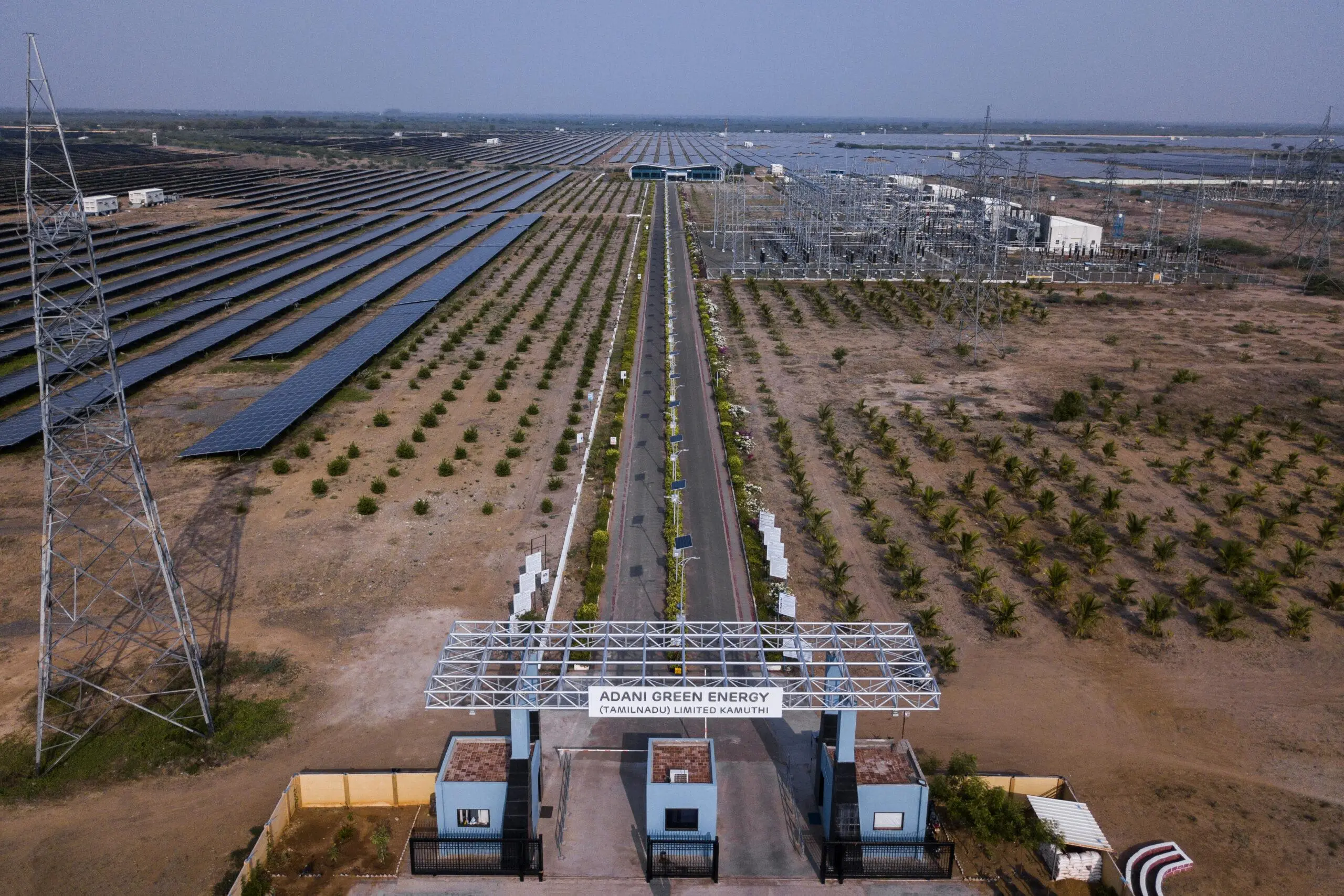
Adani Green Energy Limited (AGEL) has announced that it has surpassed 20 gigawatts (GW) of operational renewable energy capacity, marking a significant milestone in the company’s clean energy expansion. According to the company, this achievement has been driven entirely through greenfield development, reflecting its continued investment in renewable power infrastructure across India.
The milestone strengthens AGEL’s position among the country’s largest renewable energy companies as India continues expanding its clean energy sector to meet growing electricity demand while reducing dependence on conventional fuels.
Crossing the 20 GW operational capacity mark represents an important achievement for Adani Green Energy’s long-term growth strategy. Renewable energy projects such as solar and wind farms require years of planning, investment, engineering, and infrastructure development before becoming operational.
According to the company, the operational capacity now includes a diverse mix of renewable power projects spread across multiple states. These projects generate electricity using solar energy, wind energy, and hybrid renewable systems designed to improve reliability throughout different weather conditions.
The company stated that its renewable portfolio currently produces enough clean electricity to power millions of households while contributing to India’s transition toward low-carbon energy generation.
Unlike acquisitions of existing power plants, greenfield development involves constructing renewable energy facilities from the ground up. This process includes land development, engineering design, transmission infrastructure, environmental clearances, and commissioning before electricity generation begins.
Adani Green Energy said the entire 20 GW operational capacity has been achieved through this approach, demonstrating continued investment in new infrastructure rather than relying on purchased assets.
Large-scale renewable projects often require coordination between engineers, environmental experts, construction teams, financial institutions, and local authorities before becoming commercially operational.
Adani Green Energy has indicated that it will continue expanding its renewable energy portfolio through additional solar, wind, and hybrid power projects. The company remains focused on increasing operational capacity while supporting India’s long-term clean energy transition.
As electricity demand continues growing, renewable energy companies are expected to play an increasingly significant role in strengthening energy security and supporting sustainable development.
Industry observers believe continued investment in clean energy infrastructure, combined with technological innovation, will help accelerate India’s transition toward a more diversified and environmentally responsible energy system.
India has significantly increased its renewable energy capacity over the past decade as the country works toward expanding clean electricity generation. Rising electricity demand, industrial growth, and environmental goals have encouraged greater investment in solar parks, wind farms, and hybrid renewable projects.
Government policies supporting renewable energy, along with improvements in technology and declining equipment costs, have accelerated the development of large-scale clean energy infrastructure across multiple states.
Industry experts believe renewable energy will continue playing an increasingly important role in India’s future electricity generation mix, supported by battery storage systems, smart grids, and improved transmission networks.
Adani Green Energy’s operational portfolio consists of solar, wind, and hybrid renewable energy projects. Hybrid projects combine multiple renewable sources, allowing electricity generation to remain more stable under changing weather conditions.
The company has also continued investing in transmission infrastructure and grid connectivity, helping ensure electricity generated from renewable sources reaches consumers efficiently.
As renewable capacity continues expanding nationwide, companies are increasingly focusing on improving storage technology and balancing electricity supply during periods of lower solar or wind generation.
India has set ambitious targets to increase the share of renewable energy in its overall power generation mix. The continued expansion of solar and wind capacity is expected to play an important role in meeting future electricity demand while supporting efforts to reduce carbon emissions.
Projects developed by companies such as Adani Green Energy contribute to the country’s growing renewable energy infrastructure. Large-scale renewable installations also help diversify electricity sources, reducing dependence on traditional fossil fuels over the long term.
Industry analysts believe investments in renewable energy, energy storage, and transmission infrastructure will remain essential as electricity consumption continues to rise across residential, commercial, and industrial sectors.
Modern renewable energy projects rely on advanced technologies to improve efficiency and operational performance. Solar modules with higher energy conversion rates, larger wind turbines, digital monitoring systems, and automated maintenance solutions have helped improve electricity generation while reducing operating costs.
Companies are also increasingly adopting data analytics and remote monitoring systems to manage large renewable energy parks. These technologies help identify maintenance requirements early, improve equipment performance, and maximise electricity output throughout the year.
As renewable projects grow larger and more complex, developers will invest more in transmission networks and battery storage to ensure stable power delivery.
The growth of renewable energy projects generates benefits beyond electricity production. Construction and operation of large solar and wind parks create employment opportunities across engineering, manufacturing, logistics, maintenance, and project management.
Renewable energy investments also encourage development in surrounding regions through improved infrastructure and supporting industries. Increased use of clean electricity can contribute to lower greenhouse gas emissions while supporting India’s broader sustainability objectives.
Although renewable energy remains dependent on weather conditions, advances in hybrid projects and storage technologies continue to improve reliability and overall system efficiency.
Adani Green Energy has indicated that it will continue expanding its renewable energy portfolio through additional solar, wind, and hybrid power projects. The company remains focused on increasing operational capacity while supporting India’s long-term clean energy transition.
As electricity demand continues growing, renewable energy companies are expected to play an increasingly significant role in strengthening energy security and supporting sustainable development.
Industry observers believe continued investment in clean energy infrastructure, combined with technological innovation, will help accelerate India’s transition toward a more diversified and environmentally responsible energy system.
The achievement of crossing 20 GW of operational renewable energy capacity marks an important milestone for Adani Green Energy and highlights the continued expansion of India’s renewable energy sector. Large-scale investments in solar, wind, and hybrid projects demonstrate the growing role of clean energy in meeting the country’s future power requirements.
As renewable energy adoption continues to increase, infrastructure development, technological innovation, and efficient grid integration will remain key priorities for the industry. Public and private investments will drive further growth in the sector and support India’s long-term energy transition goals in the coming years.
For Adani Green Energy, this milestone represents another step in its expansion strategy while reflecting the broader momentum of renewable energy development across the country. The company’s future projects will be closely watched as India continues working toward its clean energy and sustainability objectives.
Source: ANI

Your trusted source for news, updates, and insights from India and around the world.
Copyright © 2024–2026 NEWSHOTS. All Rights Reserved.