
Sensex Falls Around 873 Points, Nifty Drops Over 250 Amid Market Pressure
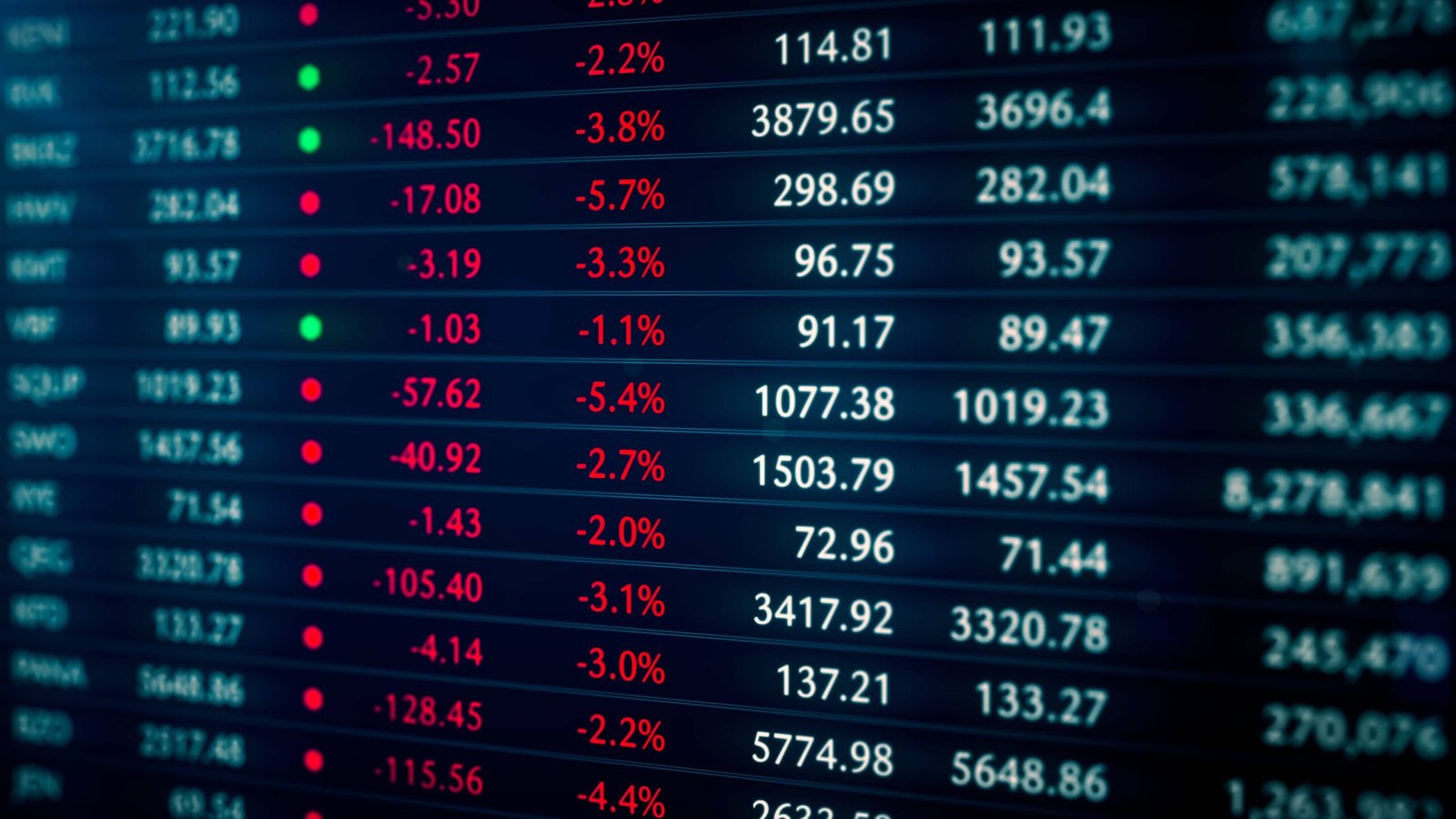
12-MAR-2026, 11:20 AM India’s stock market witnessed a sharp decline as the BSE Sensex fell by around 873 points, while the Nifty 50 dropped by more than 250 points during trading. The fall reflects increasing pressure in the market due to global economic uncertainties, cautious investor sentiment, and selling across several key sectors.
The decline marks one of the significant single-day losses in recent sessions, drawing attention from investors, analysts, and financial experts who are closely monitoring market movements.
Market Opens Weak Amid Global Cues
The trading session began on a weak note as negative global cues influenced investor sentiment. Asian and European markets also experienced fluctuations, creating a cautious environment for investors worldwide.
As the session progressed, selling pressure increased across several sectors, including banking, IT, and financial services. Large-cap stocks that usually drive the broader market also faced heavy selling, contributing to the fall in benchmark indices.
Market analysts believe that global geopolitical tensions and uncertainty in international markets have played a key role in triggering the decline.
Heavy Selling in Key Sectors
Several major sectors experienced selling pressure during the trading session. Banking and financial stocks were among the biggest contributors to the market decline, as investors chose to book profits after recent rallies.
Technology stocks also saw losses as global tech shares faced volatility. In addition, energy and metal stocks witnessed declines due to concerns about global demand and economic slowdown.
When heavyweight stocks fall together, benchmark indices such as Sensex and Nifty tend to drop sharply, which is exactly what happened during the trading session.
Investor Sentiment Turns Cautious
Investor sentiment has become cautious due to multiple global and domestic factors. Rising geopolitical tensions, fluctuations in commodity prices, and uncertainty in international markets are affecting trading patterns.
Institutional investors often respond quickly to such uncertainties by reducing their exposure to risky assets. As a result, stock markets can witness sudden fluctuations, including sharp declines.
Retail investors are also closely watching the market to determine whether the current fall is a temporary correction or part of a broader trend.
Global Factors Impacting Markets
Global developments continue to play a crucial role in shaping market movements. Rising tensions in certain geopolitical regions, fluctuations in crude oil prices, and interest rate policies of major central banks are all influencing investor decisions.
When global markets experience volatility, emerging markets such as India often feel the impact. Investors tend to move their funds toward safer assets during uncertain times, which can lead to selling pressure in stock markets.
These global influences have contributed to the decline in Indian benchmark indices.
Analysts Call It a Market Correction
Many market experts believe the recent fall may represent a short-term correction rather than a long-term bearish trend. After strong rallies in previous weeks, markets often experience profit booking as investors secure gains.
Such corrections are considered normal in the stock market cycle and can sometimes create buying opportunities for long-term investors.
However, analysts also warn that continued global uncertainty could lead to further volatility in the coming sessions.
Impact on Investors
The sudden drop in the Sensex and Nifty has affected investors across the country. Portfolio values for many traders and investors declined during the session as stock prices dropped across several sectors.
Despite this, experienced investors often view such corrections as part of the natural market cycle. Long-term investors typically focus on fundamentals rather than short-term fluctuations.
Financial advisors generally recommend maintaining diversified portfolios to reduce risk during volatile periods.
Market Outlook
Looking ahead, investors will closely monitor several factors that could influence market direction. These include:
-
Global economic developments
-
Central bank policy announcements
-
Corporate earnings reports
-
Commodity price movements
If global conditions stabilize, the market could recover from the current decline. However, continued uncertainty may keep volatility high in the near term.
What Investors Should Watch
Investors may closely track trading activity in the next few sessions to understand whether the recent decline continues or begins to stabilize. Market participation, institutional buying and selling, and movements in major sectors could provide useful indications about overall sentiment.
Changes in crude oil prices may also remain important because they can influence inflation expectations and business costs. At the same time, developments in global markets could continue to affect investor confidence and create short-term volatility.
Role of Domestic Economic Factors
Apart from international developments, investors may also focus on domestic economic indicators and corporate performance. Strong economic activity and positive earnings expectations could provide support to equities, while weaker corporate outlooks may keep investors cautious.
The performance of banking, information technology, energy, and other heavyweight sectors will remain important because these companies have a significant influence on benchmark indices. Any improvement in buying interest across these sectors could help the market regain some lost ground.
Short-Term Volatility Expected
The market may remain volatile as investors react to changing global and domestic signals. Traders could continue to monitor economic announcements, corporate developments, currency movements, and commodity prices before taking fresh positions.
For long-term investors, the latest decline may encourage greater attention toward company fundamentals and investment goals rather than reacting solely to daily market movements.
Investors may also keep an eye on the rupee’s movement against the US dollar, as currency fluctuations can influence market sentiment and the performance of companies exposed to global trade. Fresh developments in international markets could further shape trading trends. Market participants are therefore likely to remain cautious while assessing whether selling pressure eases or continues in the next few trading sessions.
Conclusion
The sharp decline in the Sensex and Nifty highlights the impact of global uncertainties and cautious investor sentiment on the Indian stock market. With the Sensex falling around 873 points and the Nifty dropping over 250 points, investors are carefully observing market trends and economic developments.
While short-term volatility remains a concern, analysts emphasize that market corrections are a natural part of the financial cycle. The coming trading sessions will be crucial in determining whether the market stabilizes or continues to face pressure.
SOURCE: ABP NEWS




One thought on “Stock Market Slides: Sensex Falls 873 Points, Nifty Drops 250”