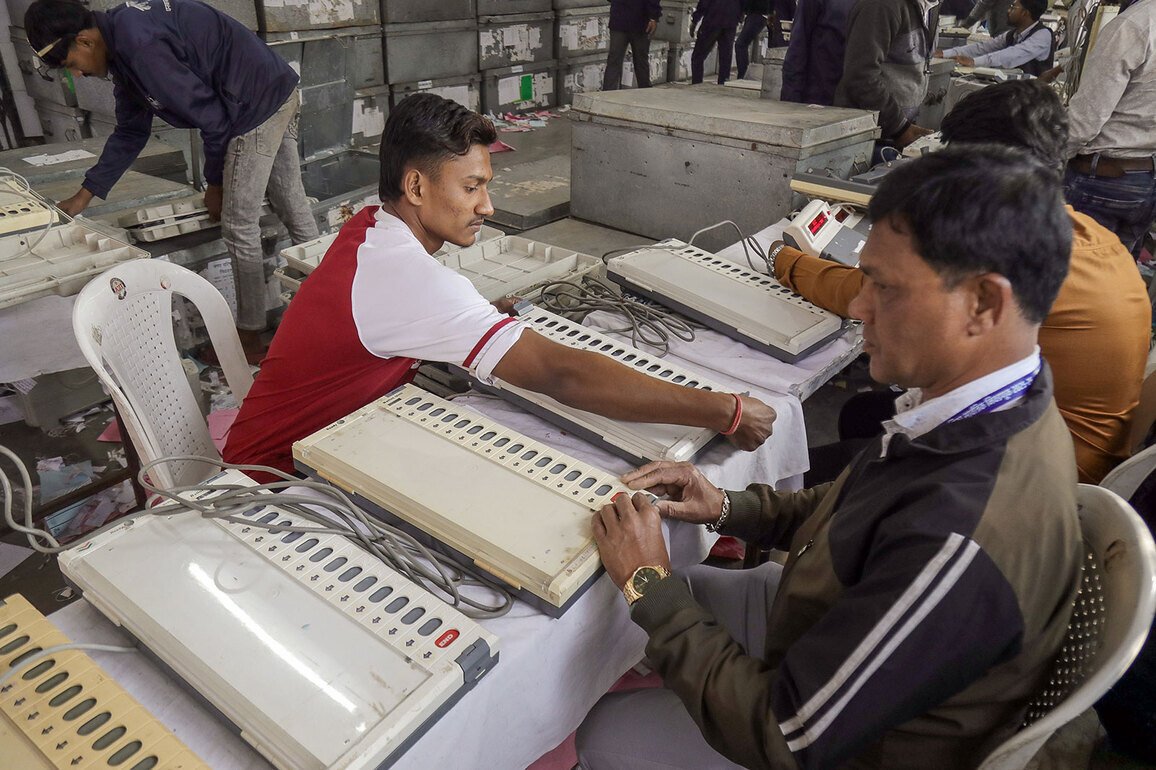
EVM In a landmark development for electoral transparency in Maharashtra, the Chandivali constituency has become the first in the state to witness a court-monitored verification of Electronic Voting Machines (EVMs). The move follows approval from the Bombay High Court, setting a significant precedent in India’s electoral process.
Background of the Case EVM
The issue of EVM reliability has been a recurring topic in Indian politics, with several political parties and candidates raising concerns over the years. While the Election Commission of India has consistently maintained that EVMs are secure and tamper-proof, demands for independent verification have continued to surface.
In Chandivali, a petition was filed seeking a detailed examination of EVMs used during recent elections. EVM The petitioner argued that a transparent and court-supervised process would help address doubts and strengthen public confidence in the electoral system.
After reviewing the plea, the Bombay High Court granted permission for a court-monitored verification process—an unprecedented step in Maharashtra.
EVM What Makes This Verification Unique?
The Chandivali EVM verification stands out because it is being conducted under direct judicial oversight. Traditionally, EVM checks and audits are handled internally by the Election Commission, often through established protocols such as mock polls and VVPAT (Voter Verifiable Paper Audit Trail) verification.
However, in this case:
- The process is supervised by the judiciary
- Independent experts may be involved
- Detailed documentation and reporting are required
This ensures a higher level of accountability and transparency, making it a first-of-its-kind exercise in the state.
The Role of the Bombay High Court EVM
The Bombay High Court played a crucial role in enabling this process. By allowing court-monitored verification, the High Court has emphasized the importance of public trust in democratic institutions.
Legal experts believe this decision reflects the judiciary’s willingness to engage with electoral concerns while maintaining institutional balance. The court has not questioned the integrity of EVMs outright but has instead provided a framework for verification in response to specific concerns.
How the Verification Process Works EVM
The court-monitored verification involves a structured and transparent procedure designed to ensure fairness and accuracy. While the exact details may vary, the process generally includes:
- Inspection of EVM hardware and software components
- Cross-checking with VVPAT records
- Technical analysis by certified experts
- Documentation of findings under judicial supervision
The presence of multiple stakeholders, including legal representatives and technical specialists, adds credibility to the process.
Political Reactions
The move has triggered varied reactions across the political spectrum. Opposition parties and candidates who have raised concerns about EVMs have welcomed the decision, viewing it as a step toward greater transparency.
On the other hand, some leaders have reiterated their trust in the Election Commission’s existing mechanisms, cautioning against creating unnecessary doubts about the electoral process.
Despite differing opinions, there is broad agreement that maintaining voter confidence is essential for a healthy democracy.
Impact on Electoral Transparency
The Chandivali case could have far-reaching implications for electoral transparency in India. By introducing judicial oversight into the verification process, it sets a precedent that could influence future cases.
Key potential impacts include:
- Increased public trust in election outcomes
- Greater accountability in electoral processes
- Possibility of similar petitions in other constituencies
At the same time, experts warn that such measures should remain exceptional rather than routine, to avoid overburdening the judicial system.
EVM Debate in India
EVMs have been used in Indian elections for decades and are considered a cornerstone of the country’s voting system. The Election Commission has repeatedly defended their reliability, citing multiple safeguards such as:
- Standalone operation without internet connectivity
- Multi-layered security protocols
- VVPAT verification for audit trails
However, skepticism persists among some sections, making initiatives like the Chandivali verification particularly significant.
What This Means for Future Elections
The outcome of the Chandivali verification process will be closely watched by political parties, legal experts, and voters alike. If the process reinforces confidence in EVMs, it could strengthen the credibility of future elections.
Alternatively, if any discrepancies are found, it could lead to calls for reforms or enhanced verification mechanisms.
Either way, the case highlights the evolving nature of India’s electoral system and the importance of adapting to public concerns.
Conclusion
The court-monitored EVM verification in Chandivali marks a historic moment in Maharashtra’s electoral landscape. Enabled by the Bombay High Court, the process underscores the importance of transparency, accountability, and public trust in democracy.
As the verification unfolds, it will not only address specific concerns in Chandivali but also contribute to the broader conversation about electoral integrity in India. Whether it becomes a model for future cases or remains a one-time intervention, its significance in shaping public perception of elections cannot be overstated.