Parliament Discussions Continue on Budget 2026 and Economic Reforms
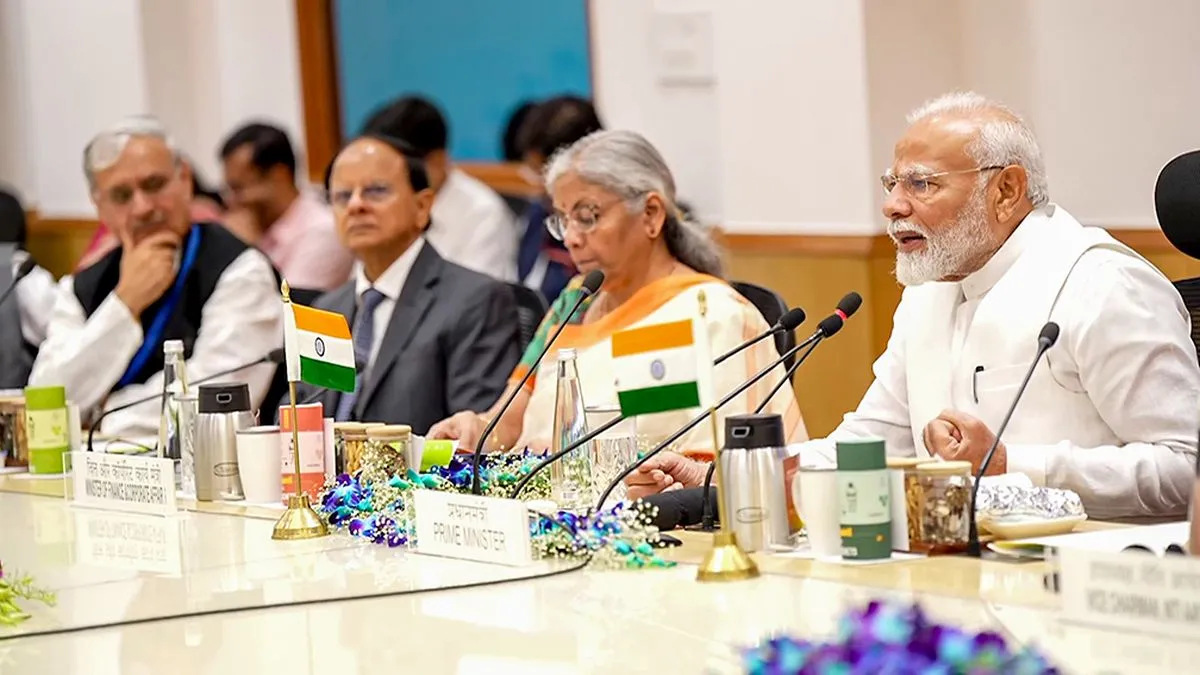
20-MAR-2026, 12:35 PM The ongoing session of the Parliament of India has seen continued and detailed discussions on Budget 2026 and a wide range of economic reforms. These debates are crucial as they shape the country’s financial direction, policy priorities, and long-term development strategy. Lawmakers from across political parties are actively participating, presenting their views, raising concerns, and suggesting improvements.
As India navigates a complex global economic environment, the importance of these discussions becomes even more significant. The government is aiming to strike a balance between growth, fiscal discipline, and social welfare, while the opposition is ensuring accountability and transparency in policy-making.
Importance of Budget 2026
The Union Budget is a comprehensive financial plan that outlines the government’s expected revenue and expenditure for the upcoming financial year. In the Parliament of India, the Budget is not only presented but also debated in detail before being passed.
Budget 2026 is particularly important because it comes at a time when the global economy is facing uncertainties such as inflation, geopolitical tensions, and fluctuating commodity prices. The government is focusing on policies that can sustain economic growth while managing these challenges.
Key Areas of Discussion
1. Economic Growth Strategy
A major focus of the discussions is on boosting economic growth. The government is proposing increased investment in infrastructure, manufacturing, and digital sectors to drive long-term development.
2. Employment Generation
Creating jobs remains a priority. Various schemes and initiatives aimed at supporting startups, small businesses, and skill development are being discussed to improve employment opportunities.
3. Fiscal Discipline
Maintaining fiscal discipline is another important aspect. The government is working to control the fiscal deficit while ensuring adequate spending on development projects.
4. Social Welfare Programs
Welfare schemes related to healthcare, education, and rural development are being reviewed. Lawmakers are debating how to ensure that the benefits of economic growth reach all sections of society.
Economic Reforms Under Debate
The Parliament of India is also discussing several economic reforms aimed at improving efficiency and competitiveness.
Tax Reforms
Efforts are being made to simplify the tax system, improve compliance, and reduce the burden on taxpayers.
Ease of Doing Business
Policies to make it easier for businesses to operate are being discussed, including reducing bureaucratic hurdles and promoting investment.
Financial Sector Reforms
Strengthening the banking and financial system is a key priority. Measures to improve transparency, reduce bad loans, and enhance credit availability are under consideration.
Digital Economy
The government is focusing on expanding the digital economy through initiatives related to digital payments, e-governance, and technology-driven services.
Role of Opposition
The opposition parties are playing a crucial role in the discussions by raising important issues and challenging government policies. They are questioning:
-
Allocation of funds
-
Implementation of schemes
-
Impact on common citizens
-
Rising inflation and cost of living
These debates ensure that policies are thoroughly examined and improved before implementation.
Impact of Global Economic Conditions
Global factors are significantly influencing Budget 2026 discussions. These include:
-
Rising oil prices
-
Geopolitical tensions
-
Fluctuations in global markets
-
Changes in international trade
The Parliament of India is considering strategies to reduce the impact of these factors on the Indian economy.
Digital Transformation and Innovation
Digital transformation is a major focus area in the discussions. The government is promoting:
-
Digital infrastructure development
-
Online public services
-
Technology-driven governance
These initiatives aim to improve efficiency, transparency, and accessibility in various sectors.
Challenges in Implementation
While the proposals are ambitious, implementing them effectively remains a challenge. Some of the key challenges include:
-
Bureaucratic delays
-
Resource constraints
-
Regional disparities
-
Monitoring and evaluation issues
The Parliament of India is discussing ways to address these challenges and ensure effective implementation.
Expected Outcomes
The discussions on Budget 2026 and economic reforms are expected to lead to:
-
Improved infrastructure
-
Increased employment opportunities
-
Better social welfare programs
-
Stronger economic growth
These outcomes will have a direct impact on the lives of citizens and the overall development of the country.
Long-Term Economic Vision
The government’s long-term vision includes making India a global economic powerhouse. This involves:
-
Strengthening key industries
-
Promoting innovation
-
Enhancing global competitiveness
-
Ensuring inclusive growth
The debates in the Parliament of India are focused on aligning current policies with this long-term vision.
Public and Industry Response
The ongoing discussions are being closely followed by industry leaders, economists, and the general public. Positive announcements can boost investor confidence, while concerns raised during debates can influence policy changes.
Businesses are particularly interested in tax policies, investment opportunities, and regulatory changes that may affect their operations.
Conclusion
The continued discussions in the Parliament of India on Budget 2026 and economic reforms highlight the importance of careful planning and decision-making in shaping the country’s future. As lawmakers debate various proposals, the focus remains on achieving a balance between growth, stability, and social welfare.
The decisions taken during these sessions will have far-reaching implications, influencing everything from economic growth to everyday life. As the discussions progress, the nation looks forward to a Budget that addresses current challenges while paving the way for a stronger and more resilient economy. 📊🏛️
SOURCE : ABP LIVE