Introduction
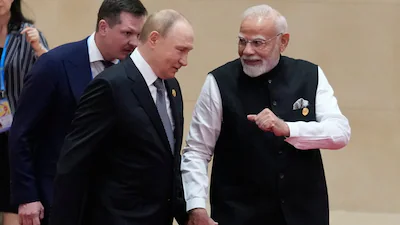
28-MAR-2026, 1:02 PM As the ongoing conflict in West Asia enters its second month, global energy markets are facing significant disruptions. In response, India is taking strategic steps to secure its energy needs by reviving ties with Russia and exploring new LNG (Liquefied Natural Gas) deals.
With supply chains under pressure and oil prices showing volatility, India’s move highlights a shift toward energy diversification and long-term security.
Background: Impact of West Asia Conflict
The ongoing war in West Asia has had a direct impact on global energy supplies.
Key Concerns:
- Disruptions in oil shipping routes
- Rising crude oil prices
- Uncertainty in supply from key Gulf nations
West Asia is one of the world’s most important energy-producing regions, and any instability there affects countries worldwide.
Why India Is Turning to Russia
India has historically maintained strong energy ties with Russia.
Reasons for Renewed Focus:
1. Reliable Supply
Russia remains a consistent supplier of crude oil and gas.
2. Discounted Prices
India has previously benefited from lower-priced Russian oil.
3. Strategic Partnership
Energy cooperation strengthens bilateral relations.
4. Reduced Dependence on West Asia
Diversifying sources reduces risks from regional conflicts.
Focus on LNG Deals
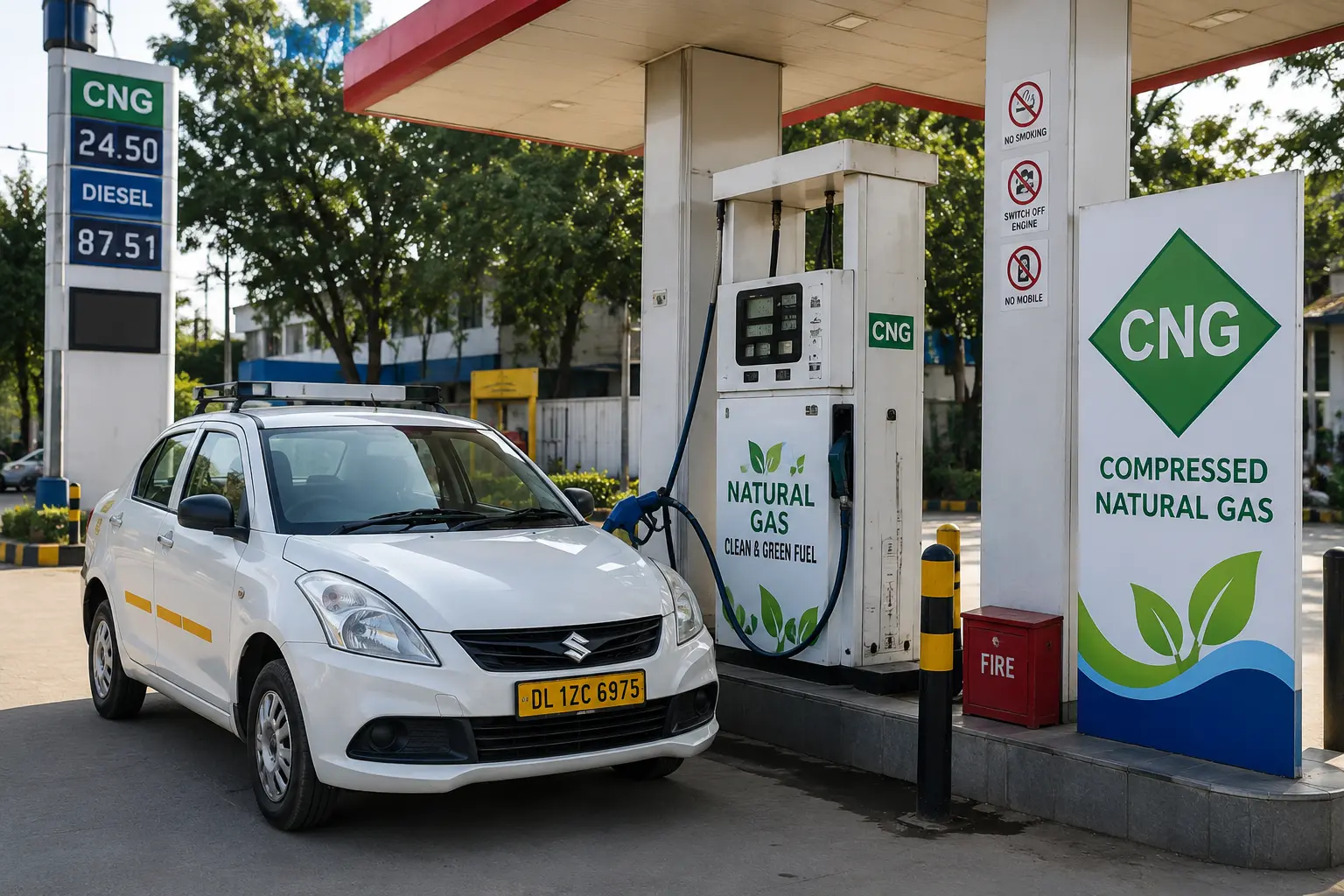
Liquefied Natural Gas (LNG) is becoming a key component of India’s energy strategy.
Why LNG Matters:
- Cleaner alternative to traditional fuels
- Flexible transportation via ships
- Increasing demand in power and industrial sectors
India is now exploring long-term LNG agreements with Russia to ensure stable supply.
Global Energy Market Under Pressure
The West Asia conflict has created uncertainty in global energy markets.
Major Effects:
- Oil prices fluctuating sharply
- Supply chain disruptions
- Increased competition for energy resources
Countries are now looking for alternative suppliers and long-term contracts to stabilize their energy needs.
India’s Energy Security Strategy
India’s approach focuses on diversification and resilience.
Key Elements:
- Expanding partnerships beyond traditional suppliers
- Investing in LNG infrastructure
- Increasing storage capacity
- Promoting renewable energy
This multi-pronged strategy helps India reduce vulnerability to global shocks.
Economic Implications for India
Energy decisions have a direct impact on India’s economy.
Positive Outcomes:
- Stable fuel prices
- Controlled inflation
- Energy availability for industries
Challenges:
- Balancing geopolitical relations
- Managing currency fluctuations
- Handling global market volatility
Geopolitical Dimensions
India’s move to strengthen ties with Russia also has geopolitical implications.
Key Factors:
- Balancing relations with Western nations
- Maintaining strategic autonomy
- Navigating global political tensions
India continues to follow a policy that prioritizes national interest while maintaining diplomatic balance.
Role of West Asia in Global Energy
West Asia remains central to global energy supply.
Importance:
- Major oil-producing countries
- Critical shipping routes like the Strait of Hormuz
- Key suppliers to Asia and Europe
The ongoing conflict has highlighted the risks of overdependence on a single region.
Future Outlook
Looking ahead, India is expected to:
- Finalize new LNG agreements
- Strengthen energy partnerships
- Increase focus on clean energy
The shift toward diversified energy sources is likely to continue as global uncertainties persist.
What This Means for Consumers
For Indian consumers, these developments could lead to:
- More stable fuel prices
- Reduced impact of global crises
- Better energy availability
However, global factors will still influence domestic fuel costs.
Conclusion
India’s decision to revive energy ties with Russia and explore LNG deals reflects a strategic response to the ongoing West Asia conflict.
By diversifying its energy sources and strengthening international partnerships, India aims to secure its energy future in an uncertain global environment.
As the situation evolves, these decisions will play a crucial role in shaping not just India’s economy, but also its position in the global energy landscape.
SOURCE : ABP NEWS