Introduction
1Apr-2026, 2:06 pm As geopolitical tensions rise across various regions, world leaders are increasingly emphasizing the importance of dialogue and diplomacy. Calls for peaceful resolutions have grown louder, with nations urging conflicting parties to return to the negotiating table.
In an uncertain global environment, diplomacy is being seen as the most effective way to prevent escalation and maintain international stability.
Growing Global Concerns
Recent developments in different parts of the world have raised serious concerns.
Key Issues:
- Ongoing regional conflicts
- Military escalations
- Strained international relations
These challenges have highlighted the urgent need for peaceful solutions.
Role of Global Organizations
International organizations are playing a crucial role in promoting peace.
Key Institution:
- United Nations
The United Nations continues to:
- Encourage dialogue between nations
- Facilitate peace negotiations
- Promote international cooperation
Its role remains vital in maintaining global peace and security.
Diplomacy as the Preferred Solution
World leaders are advocating diplomacy over conflict.
Why Diplomacy Matters:
- Prevents loss of lives
- Reduces economic damage
- Promotes long-term stability
Negotiations and dialogue are seen as sustainable solutions compared to military action.
Statements from World Leaders
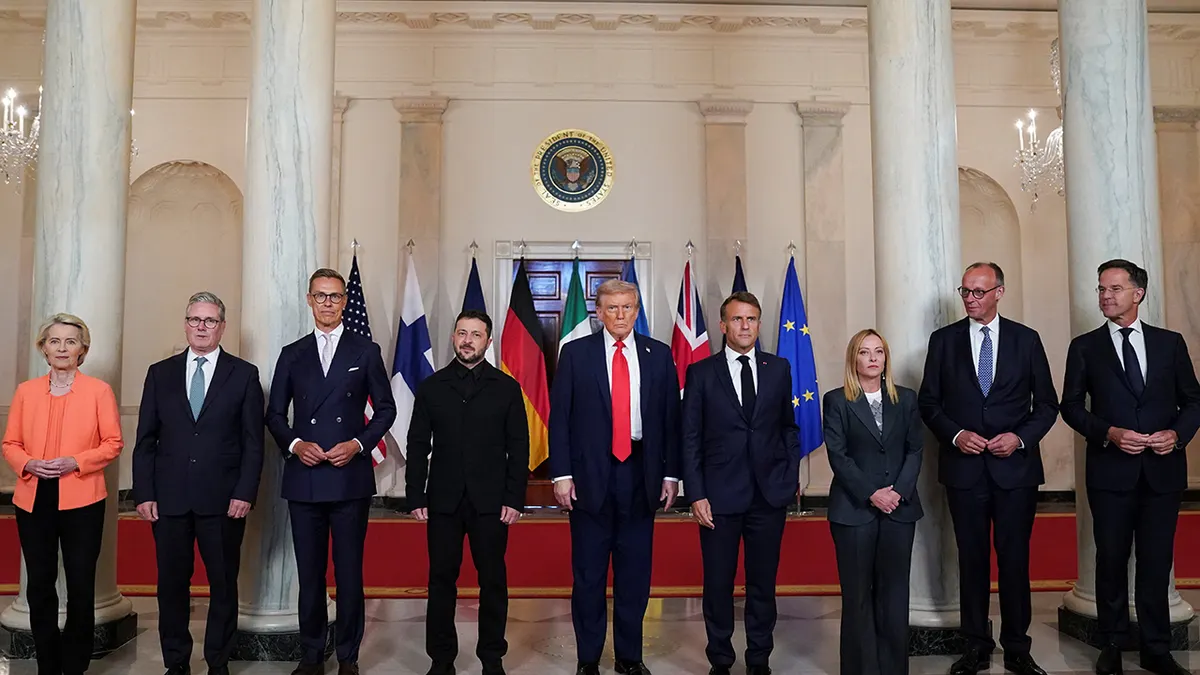
Leaders from major nations have issued strong statements calling for peace.
Common Themes:
- Immediate ceasefire
- Respect for international laws
- Protection of civilians
- Commitment to negotiations
These unified messages reflect a global consensus on the importance of peace.
Impact on Global Economy
Conflicts can have serious economic consequences.
Effects Include:
- Disruption of trade routes
- Rising energy prices
- Market instability
Peaceful resolutions can help stabilize the global economy.
Humanitarian Concerns
Beyond politics and economics, conflicts have a human cost.
Major Concerns:
- Civilian casualties
- Displacement of people
- Human rights violations
Diplomatic solutions aim to minimize these impacts.
Challenges in Achieving Peace
While calls for peace are strong, achieving it is not easy.
Key Challenges:
- Deep-rooted political differences
- Lack of trust between nations
- Strategic and territorial disputes
These factors can slow down negotiations.
Importance of Dialogue
Open communication is essential for conflict resolution.
Benefits of Dialogue:
- Builds trust
- Reduces misunderstandings
- Creates pathways for compromise
Continuous engagement is necessary for lasting peace.
Role of Regional Alliances
Regional groups also contribute to peace efforts.
They:
- Mediate between conflicting parties
- Provide platforms for discussion
- Support diplomatic initiatives
Such efforts complement global initiatives.
Public Opinion and Global Pressure
Public opinion is increasingly influencing global decisions.
Trends:
- People demanding peace over conflict
- Social media amplifying global voices
- Increased awareness of humanitarian issues
This pressure encourages leaders to prioritize diplomacy.
Future Outlook
The path forward depends on continued cooperation.
What to Expect:
- More diplomatic meetings and summits
- Efforts to de-escalate tensions
- Increased involvement of global organizations
The focus will remain on preventing further escalation.
Conclusion
The growing call by world leaders for peace talks and diplomatic solutions highlights the urgent need for stability in today’s world. While challenges remain, the emphasis on dialogue and cooperation offers hope for resolving conflicts peacefully.
In a world interconnected by economies and shared challenges, diplomacy remains the strongest tool to ensure lasting peace and global harmony.
source : abp news