Introduction
02-Apr-2026, 1:40 pm Amid rising global tensions and geopolitical uncertainties, countries across the world are increasingly advocating for diplomatic solutions and stability talks. Governments and international leaders are emphasizing dialogue over conflict, aiming to prevent escalation and ensure long-term peace.
In today’s interconnected world, cooperation and communication are essential to maintaining global stability and addressing shared challenges.
Rising Need for Diplomacy
Recent global developments have highlighted the urgent need for peaceful conflict resolution.
Key Concerns:
- Regional conflicts and military tensions
- Strained diplomatic relations
- Economic instability due to global disruptions
These issues have pushed nations to prioritize dialogue and negotiation.
Role of Global Institutions
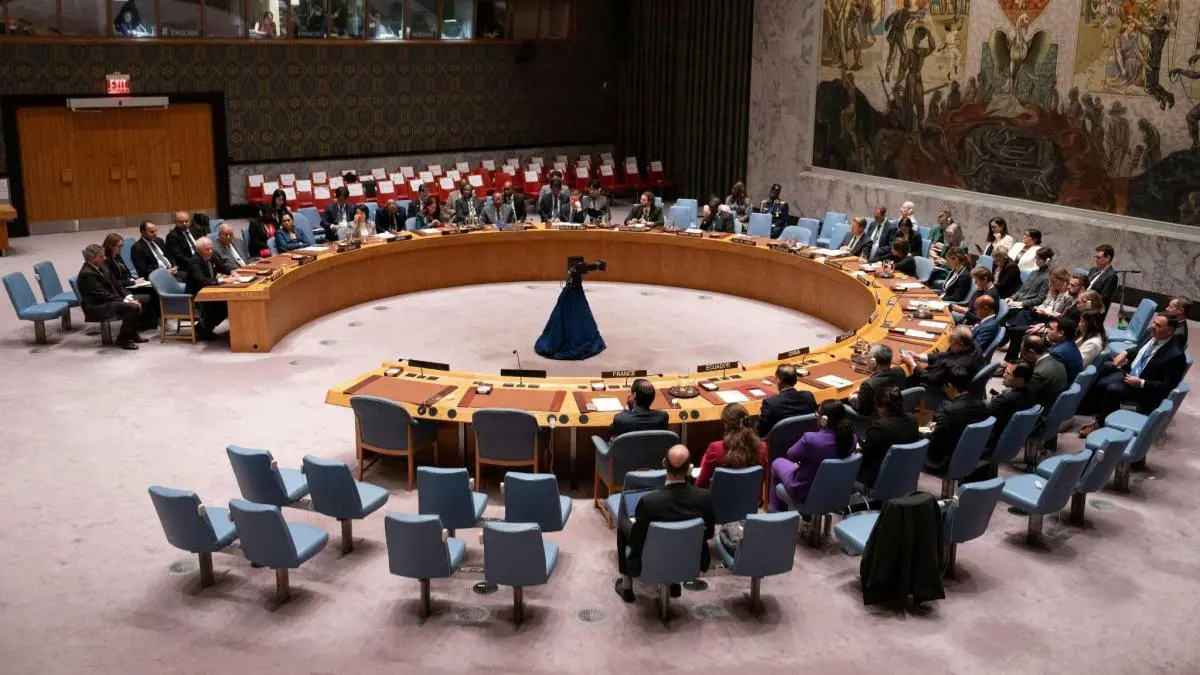
International organizations are at the forefront of promoting diplomacy.
Key Organization:
- United Nations
The United Nations plays a crucial role by:
- Facilitating peace talks
- Mediating disputes between nations
- Encouraging adherence to international law
Its efforts are vital in maintaining global peace.
Diplomatic Talks and Negotiations
Countries are engaging in high-level discussions to resolve conflicts.
Focus Areas:
- Ceasefire agreements
- Conflict de-escalation
- Long-term peace frameworks
Diplomatic talks provide a platform for nations to address concerns and find common ground.
Importance of Stability Talks
Stability talks go beyond resolving immediate conflicts.
Why They Matter:
- Prevent future disputes
- Build trust among nations
- Strengthen international cooperation
These discussions aim to create sustainable peace rather than temporary solutions.
Economic Impact of Global Stability
Global stability directly influences economic growth.
Key Effects:
- Smooth trade and supply chains
- Stable financial markets
- Increased investor confidence
Peaceful conditions create a favorable environment for economic development.
Humanitarian Perspective
Diplomatic solutions also address humanitarian concerns.
Major Issues:
- Civilian safety
- Refugee crises
- Access to basic resources
Reducing conflict helps protect lives and improve living conditions.
Challenges in Achieving Consensus
Despite efforts, achieving diplomatic solutions is complex.
Key Challenges:
- Political differences between nations
- Strategic and territorial disputes
- Lack of trust and cooperation
These factors can slow down progress in negotiations.
Role of Regional Alliances
Regional alliances and groups contribute to stability efforts.
They:
- Facilitate dialogue among neighboring countries
- Provide platforms for cooperation
- Support peace initiatives
Such collaborations strengthen diplomatic efforts.
Public and Global Pressure
Public opinion is playing an increasing role in shaping global decisions.
Trends:
- Demand for peaceful solutions
- Increased awareness through media
- Global advocacy for human rights
This pressure encourages leaders to prioritize diplomacy.
Future Outlook
The push for diplomacy is expected to continue.
What Lies Ahead:
- More international summits and meetings
- Continued efforts to reduce tensions
- Strengthening of global partnerships
The focus will remain on maintaining stability and preventing conflicts.
Conclusion
The growing emphasis on diplomatic solutions and stability talks reflects a collective effort by countries to address global challenges peacefully. While obstacles remain, the commitment to dialogue and cooperation offers hope for a more stable and secure world.
In an era of complex global issues, diplomacy remains the most effective tool for achieving lasting peace and prosperity.
source : abp news