Introduction
3-Apr-2026, 12:44 pm Ongoing tensions in the Middle East are once again drawing global attention, as concerns over security and oil supply disruptions intensify. The region, which plays a crucial role in global energy production, has a direct impact on international markets and geopolitical stability.
As conflicts and uncertainties persist, governments and analysts worldwide are closely monitoring the situation.
Why the Middle East Matters Globally
The Middle East holds immense strategic importance.
Key Reasons:
- Major source of global oil supply
- Critical shipping routes like the Strait of Hormuz
- Presence of key geopolitical players
Any instability in the region can have far-reaching global consequences.
Rising Security Concerns
Escalating tensions have raised serious security concerns.
Key Issues:
- Military build-ups and threats
- Regional conflicts intensifying
- Risk of wider geopolitical escalation
These factors increase uncertainty and global anxiety.
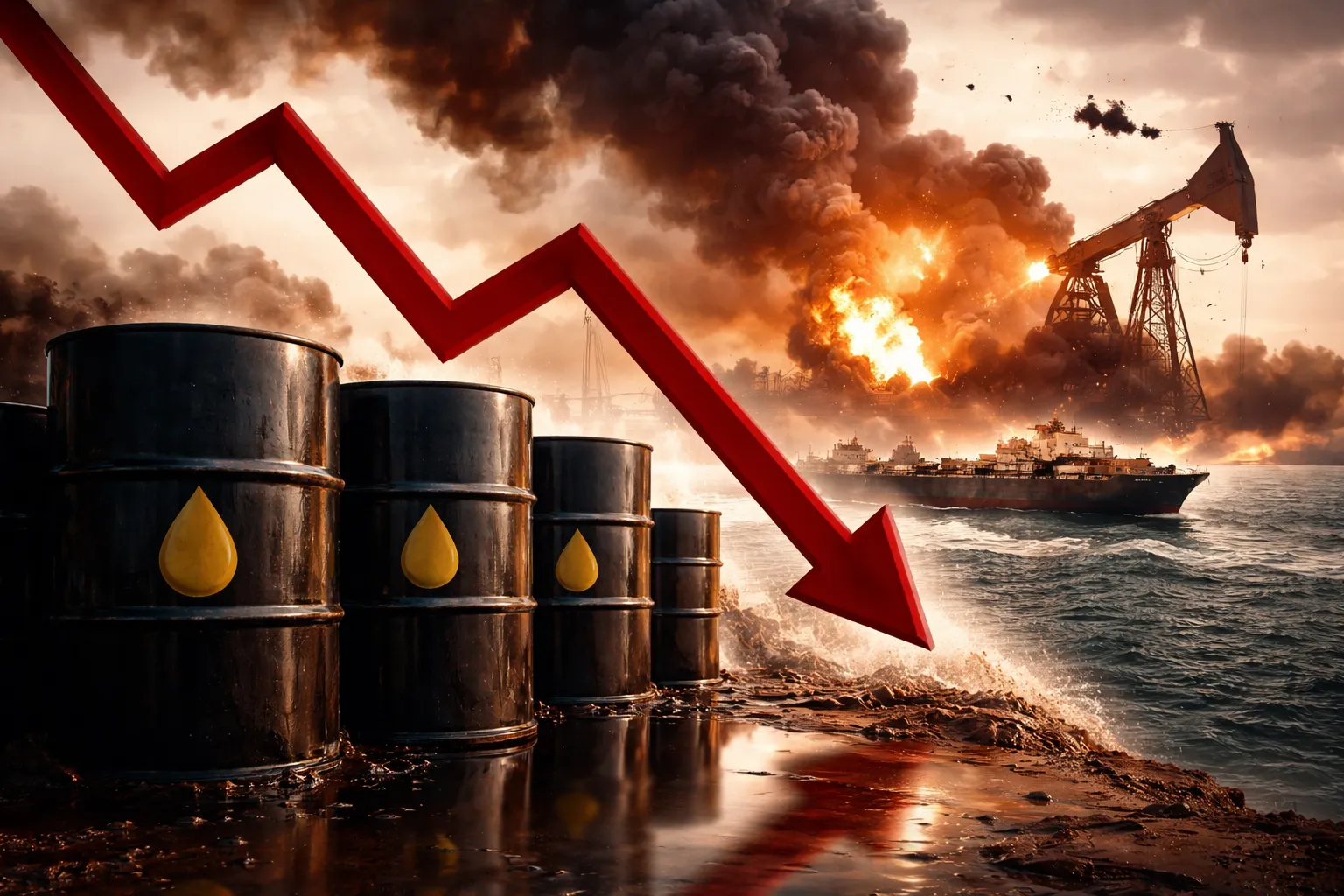
Impact on Global Oil Supply
Oil markets are particularly sensitive to developments in the Middle East.
Possible Impacts:
- Disruption in oil production
- Delays in shipping routes
- Price volatility in global markets
Even the threat of disruption can drive oil prices upward.
Role of Key Oil Routes
Strategic waterways play a crucial role in oil transportation.
Important Route:
- Strait of Hormuz
A significant portion of the world’s oil passes through this narrow route, making it highly sensitive to geopolitical tensions.
Global Economic Impact
Rising oil prices can affect economies worldwide.
Key Effects:
- Increased fuel costs
- Higher inflation
- Pressure on industries and businesses
Countries dependent on oil imports are especially vulnerable.
Impact on India
India, being a major oil importer, is directly affected.
Key Concerns:
- Rising fuel prices
- Increased import bills
- Impact on economic growth
The government may need to adjust policies to manage these challenges.
Market Reactions
Global financial markets often react quickly to geopolitical tensions.
Observed Trends:
- Volatility in stock markets
- Increase in safe-haven investments (like gold)
- Fluctuations in currency values
Investors tend to become cautious during such periods.
Diplomatic Efforts for Stability
Countries and global organizations are working to reduce tensions.
Key Actions:
- Calls for peace talks
- Diplomatic negotiations
- International mediation efforts
The goal is to prevent escalation and ensure stability.
Challenges in Resolving Tensions
Resolving conflicts in the Middle East is complex.
Key Challenges:
- Long-standing political disputes
- Strategic interests of global powers
- Regional rivalries
These factors make peaceful resolution difficult.
Energy Security Concerns
Energy security has become a top priority for many countries.
Measures Being Considered:
- Diversifying energy sources
- Increasing renewable energy use
- Building strategic oil reserves
These steps aim to reduce dependence on volatile regions.
Future Outlook
The situation remains uncertain.
What to Watch:
- Developments in regional conflicts
- Changes in oil production and supply
- Diplomatic progress
Global stability will depend on how tensions evolve.
Conclusion
The ongoing tensions in the Middle East highlight the fragile balance between geopolitics and global economics. With oil supply and security at stake, the situation continues to demand close attention from governments, businesses, and investors.
As the world navigates these uncertainties, diplomatic solutions and strategic planning will be key to maintaining stability and minimizing economic impact.
Source : ABP NEWS