
28-FEB-2026, 2:02 PM Tensions in the Middle East have surged once again, placing global leaders on high alert and raising concerns about regional stability and international security. The fragile geopolitical balance in the region has been shaken by recent developments, prompting urgent diplomatic engagements and calls for restraint.
From renewed hostilities to political stand-offs, the situation has reignited fears of wider conflict that could have significant global repercussions.
A Region on Edge
The Middle East has long been a focal point of global politics due to its strategic location, energy resources, and complex political dynamics. Countries such as Israel, Iran, Saudi Arabia, and Lebanon are central to the region’s shifting alliances and rivalries.
Recent developments—including cross-border strikes, military alerts, and diplomatic warnings—have heightened anxieties about a potential escalation.
While details continue to emerge, analysts suggest that miscalculations or retaliatory actions could rapidly spiral into a broader confrontation.
Global Leaders Respond
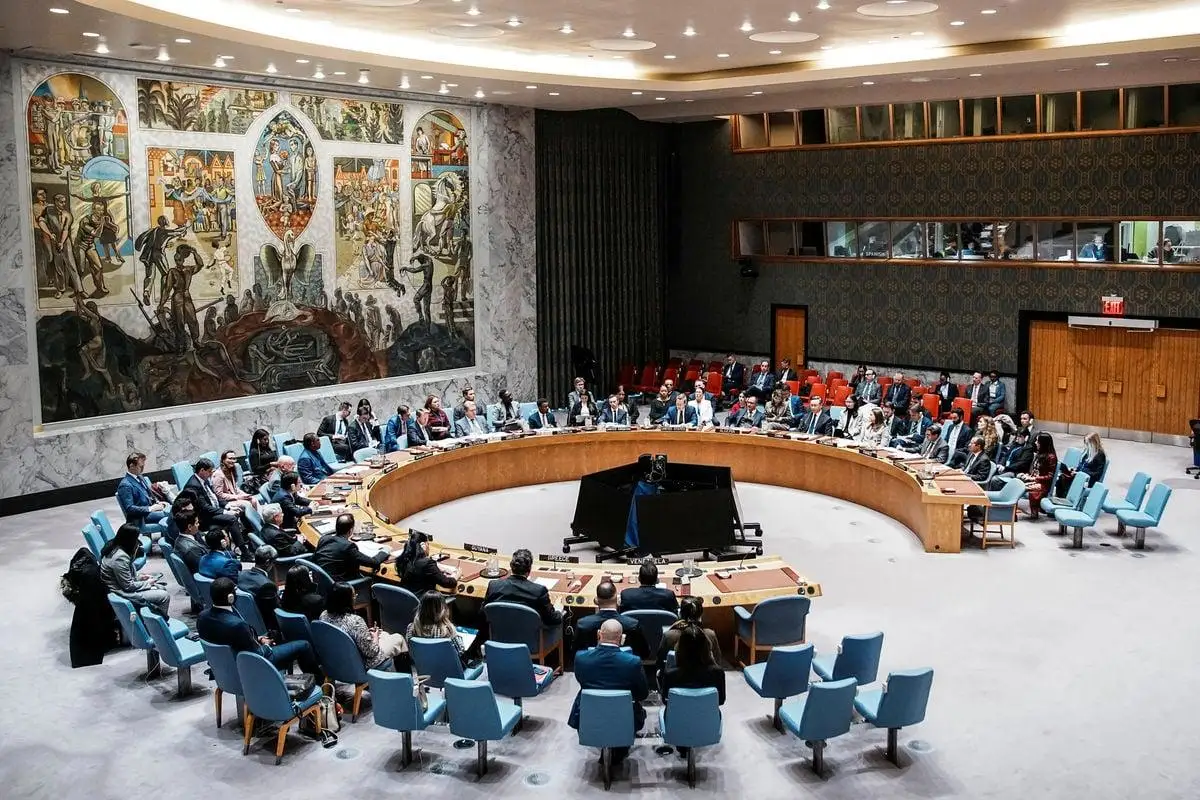
World leaders have responded swiftly to the rising tensions. The United Nations has called for immediate de-escalation and urged all parties to exercise maximum restraint.
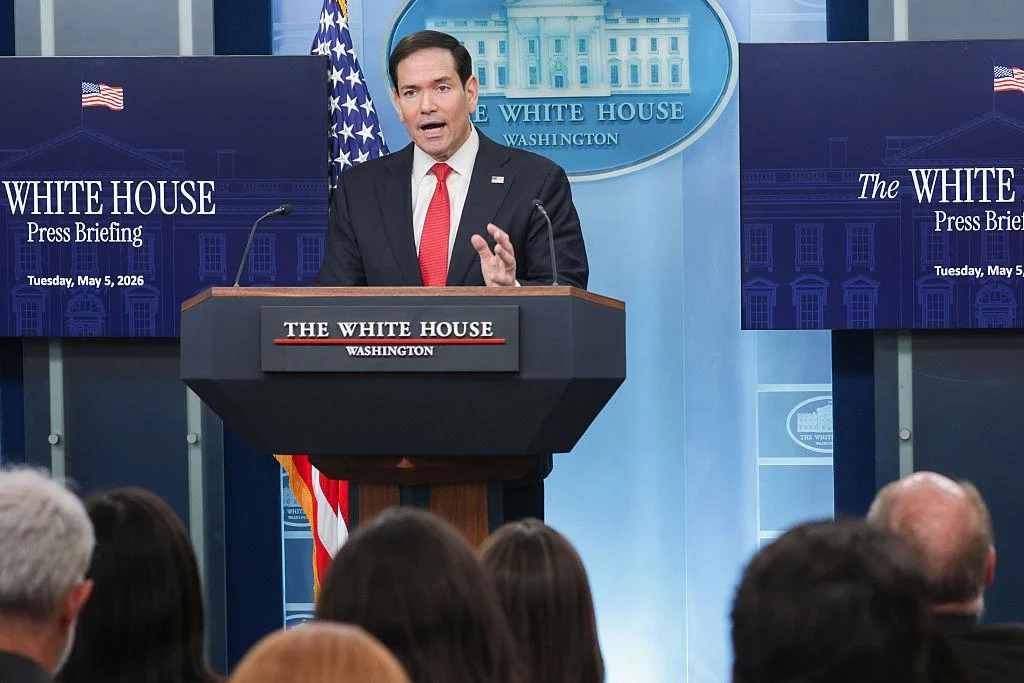
Major global powers, including the United States, Russia, and China, have expressed concern and initiated diplomatic outreach to prevent further instability.
Diplomats are working behind the scenes to open communication channels and avoid misinterpretations that could worsen the situation.
Strategic and Economic Implications
Any significant escalation in the Middle East carries immediate global economic consequences. The region plays a crucial role in global oil and gas supplies. Even the perception of instability can trigger fluctuations in energy prices.
Key concerns include:
Disruption of oil shipments
Increased fuel prices worldwide
Impact on global trade routes
Volatility in stock markets
Energy markets are particularly sensitive to developments involving countries along major maritime chokepoints.
Humanitarian Concerns
Beyond geopolitical implications, humanitarian risks remain significant. Escalations can lead to civilian displacement, infrastructure damage, and strain on healthcare systems.
International humanitarian organizations are closely monitoring the situation and preparing contingency plans in case conditions worsen.
Past conflicts in the region have demonstrated how quickly humanitarian crises can unfold, affecting millions of lives.
Diplomatic Efforts Underway
Efforts to reduce tensions are being intensified. Regional powers are engaging in dialogue, while international mediators seek to establish confidence-building measures.
Diplomatic strategies include:
Backchannel negotiations
Emergency summits
Ceasefire proposals
Confidence-building agreements
While public statements often appear firm, diplomatic engagement typically continues behind closed doors.
Military Preparedness and Deterrence
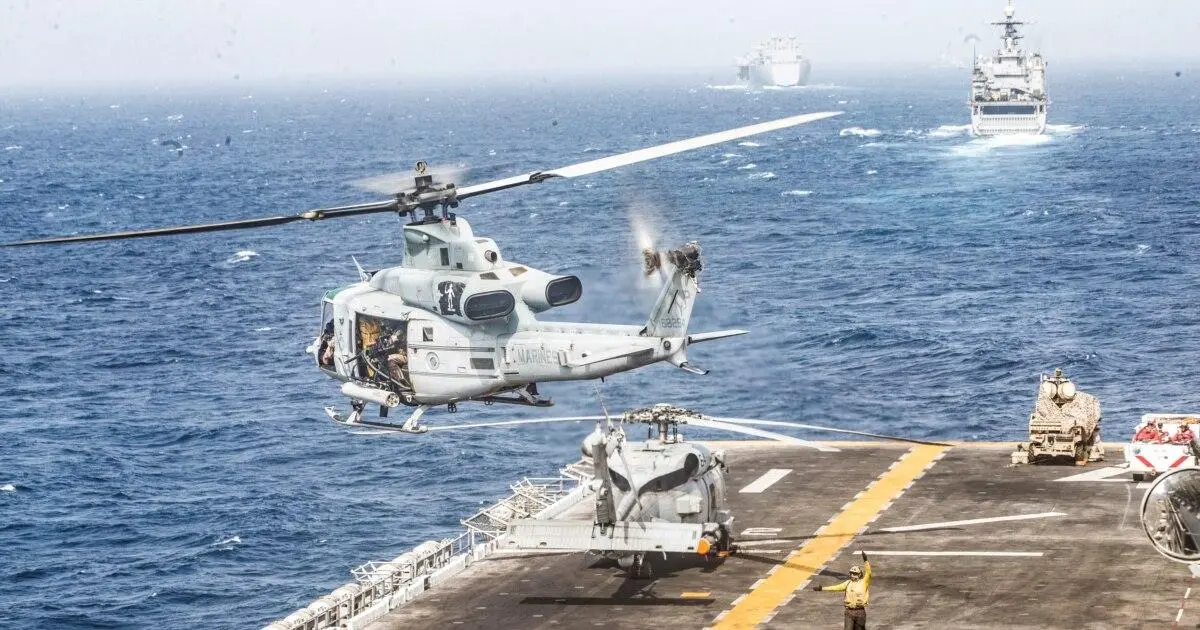
At the same time, military preparedness has been heightened across several countries. Defensive systems have been reinforced, and security forces placed on alert.
Such measures aim to deter aggression while signaling readiness. However, analysts warn that increased military activity also raises the risk of accidental confrontations.
Maintaining communication lines between rival states remains crucial in preventing unintended escalation.
The Broader Geopolitical Context
The Middle East remains deeply intertwined with global power politics. Rivalries between regional actors are often influenced by broader strategic competition among global powers.
Shifting alliances, nuclear concerns, proxy conflicts, and ideological divisions all contribute to the region’s volatility.
Experts note that long-standing grievances and unresolved disputes continue to shape the current tensions.
Impact on Global Security
Escalation in the Middle East could affect global security in multiple ways:
Threats to maritime trade routes
Increased refugee flows
Cybersecurity risks
Terrorism-related concerns
International security agencies are closely assessing potential ripple effects.
Calls for Restraint
Amid rising rhetoric, many global leaders have emphasized diplomacy over confrontation. Statements from international forums stress the importance of dialogue and adherence to international law.
The global community recognizes that prolonged instability in the region benefits no one and could derail economic recovery efforts worldwide.
The Road Ahead
The coming days and weeks will be critical. Much depends on whether diplomatic channels can effectively manage tensions and prevent escalation.
Key factors to watch include:
Official negotiations
Military posture changes
Regional summit announcements
Statements from major powers
While uncertainty remains high, history shows that sustained diplomatic engagement can sometimes prevent conflicts from escalating further.
Conclusion
The renewed rise in Middle East tensions serves as a stark reminder of the region’s central role in global stability. As global leaders remain on alert, the focus is firmly on preventing escalation and encouraging peaceful resolution.
The stakes are high—not only for the countries directly involved but for the global economy and international security landscape.
Diplomacy, restraint, and strategic patience will be essential in navigating this delicate and potentially dangerous phase.