Middle East Tensions Continue to Impact Global Peace and Oil Markets
Introduction
23-MAR-2026, 12:45 PM The Middle East remains one of the most geopolitically sensitive regions in the world, and ongoing tensions continue to impact global peace and economic stability. Known for its vast oil reserves and strategic importance, any instability in the region has far-reaching consequences beyond its borders.
In recent times, rising conflicts, political disagreements, and military activities have heightened concerns among global leaders and investors. These tensions are not only affecting diplomatic relations but also disrupting oil markets, trade routes, and financial systems. As the world remains heavily dependent on oil, developments in the Middle East play a crucial role in shaping global economic trends.
Why the Middle East Holds Global Importance
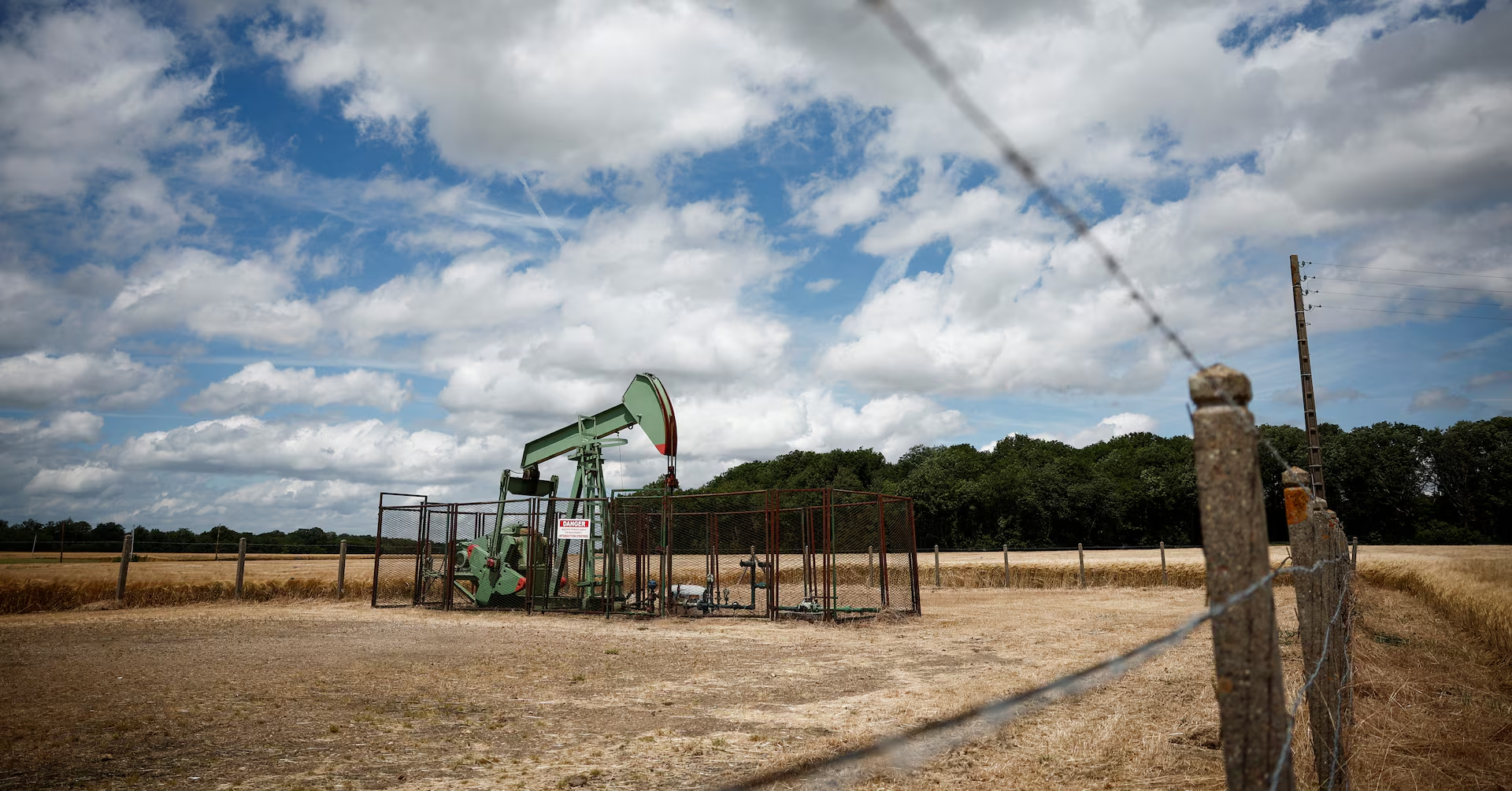
The Middle East is a key player in the global energy sector. Countries such as Saudi Arabia, Iran, Iraq, and the United Arab Emirates are among the largest producers and exporters of oil.
A significant portion of the world’s oil supply passes through critical shipping routes like the Strait of Hormuz. This narrow waterway connects the Persian Gulf to international markets, making it one of the most important trade routes in the world.
Due to this strategic significance, even minor disruptions in the region can lead to major consequences for global energy supply and pricing.
Causes of Ongoing Tensions
The tensions in the Middle East are driven by a complex mix of factors.
Geopolitical Rivalries
Competition for regional influence among powerful nations often leads to conflicts. Differences in political systems and strategic interests further intensify these rivalries.
Military Conflicts
Ongoing conflicts and military actions contribute to instability. These situations create uncertainty and increase the risk of escalation.
External Involvement
Global powers have long been involved in the Middle East due to its strategic importance. Their involvement can sometimes complicate conflicts rather than resolve them.
Economic Interests
Control over oil resources and trade routes remains a major factor behind tensions. Countries aim to secure their economic interests, leading to disputes.
Impact on Global Peace
Middle East tensions have a direct impact on global peace and security.
Risk of Escalation
Conflicts in the region have the potential to escalate into larger international crises, involving multiple countries.
Humanitarian Concerns
Wars and conflicts lead to displacement, loss of lives, and humanitarian crises, affecting millions of people.
Diplomatic Strain
Tensions can strain relationships between countries, making it difficult to achieve global cooperation on important issues.
Effect on Global Oil Markets
One of the most significant impacts of Middle East tensions is on global oil markets.
Supply Disruptions
Conflicts can disrupt oil production and transportation, reducing supply and causing prices to rise.
Price Volatility
Uncertainty in the region leads to fluctuations in oil prices. Even the possibility of conflict can trigger sudden price changes.
Market Speculation
Traders and investors react quickly to news from the region, often leading to speculative trading and increased volatility.
Impact on Global Economy
The effects of rising oil prices and instability extend to the global economy.
Inflation
Higher oil prices increase the cost of transportation and production, leading to inflation.
Economic Slowdown
Rising costs can reduce consumer spending and business investment, slowing down economic growth.
Trade Challenges
Disruptions in trade routes can delay shipments and increase costs, affecting global trade.
Impact on Oil-Importing Countries
Countries that rely heavily on imported oil are particularly affected.
Increased Import Costs
Higher oil prices lead to increased import bills, putting pressure on national budgets.
Currency Pressure
Rising oil imports can weaken a country’s currency, affecting overall economic stability.
Policy Challenges
Governments may need to adjust policies to manage inflation and support economic growth.
Role of International Organizations
International organizations play a crucial role in managing the impact of Middle East tensions.
Diplomatic Efforts
Efforts are made to reduce tensions through negotiations and peace talks.
Strategic Reserves
Countries maintain strategic oil reserves to handle supply disruptions.
Global Cooperation
International cooperation is essential to ensure stability in energy markets and maintain peace.
Shift Towards Alternative Energy
The recurring instability in the Middle East has encouraged countries to explore alternative energy sources.
Renewable energy options such as solar and wind power are gaining importance. Governments and companies are investing in sustainable energy to reduce dependence on oil.
This shift not only reduces risks associated with geopolitical tensions but also supports environmental sustainability.
Future Outlook
The future of global peace and oil markets largely depends on the stability of the Middle East. While diplomatic efforts continue, the region’s complex political landscape makes it difficult to predict outcomes.
Countries are likely to focus on energy diversification, strategic partnerships, and technological innovation to reduce risks. However, as long as the Middle East remains central to global oil supply, its stability will remain a key concern.
Conclusion
Middle East tensions continue to have a significant impact on global peace and oil markets. The region’s strategic importance and vast energy resources make it a critical factor in global stability.
Disruptions in oil supply, rising prices, and geopolitical risks highlight the interconnected nature of the modern world. Addressing these challenges requires cooperation, diplomacy, and a shift towards sustainable energy solutions.
As the situation evolves, its impact will continue to shape global economic and political dynamics, making it a topic of ongoing importance for nations worldwide.
SOURCE : ABP NEWS