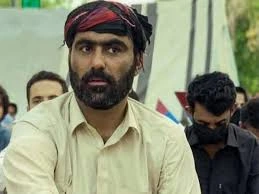
07-JULY-2025,07:00 PM In a deeply alarming development from Balochistan, reports have emerged of the abduction of prominent human rights activist Gulzar Dost. According to local sources and activists, Dost was forcibly taken from his residence in Turbat by unidentified individuals on the night of [Insert exact date if known]. The incident has triggered a wave of concern among civil society organizations, human rights defenders, and political commentators, once again putting the spotlight on the growing crisis of enforced disappearances in the region.
Balochistan : Ongoing Struggles with Enforced Disappearances
Balochistan : A Pattern of Fear and Silence
The reported abduction of Gulzar Dost is not an isolated incident. Over the years, Balochistan has witnessed a disturbing pattern of enforced disappearances, often targeting activists, students, journalists, and local leaders who speak out against state repression or advocate for Baloch rights. Numerous families across the province continue to search for missing loved ones, many of whom have allegedly been taken by security forces or state-linked groups without any legal justification or acknowledgment.
According to the Human Rights Commission of Pakistan (HRCP), Balochistan remains the province with the highest number of unresolved cases of missing persons. Despite repeated promises by successive governments to address the issue, ground realities remain unchanged, with impunity and fear dictating the socio-political atmosphere.
Who Is Gulzar Dost?
A Voice for the Voiceless in Balochistan
Gulzar Dost is well-known in the Turbat region of Balochistan for his work advocating for basic human rights, education, and justice for the victims of state violence. His activism has often centered around raising awareness of enforced disappearances, arbitrary detentions, and the overall human rights crisis in the province.
Dost has been active on social media and through grassroots channels, using peaceful means to amplify the voices of the oppressed. His alleged abduction has therefore sparked outrage among human rights groups, who see it as part of a broader crackdown on dissent in Balochistan.
Reaction from Human Rights Groups and Civil Society
Outcry Grows Locally and Internationally
The abduction of Gulzar Dost has ignited condemnation from a wide range of human rights organizations, both domestic and international. Groups such as Amnesty International, Human Rights Watch, and the Baloch Human Rights Council (BHRC) have issued urgent appeals demanding his immediate and safe release.
In a statement, the BHRC said:
“The continued targeting of peaceful activists in Balochistan is an attack on fundamental human freedoms. Gulzar Dost must be released immediately, and those responsible must be held accountable.”
Social media platforms like X (formerly Twitter), Instagram, and Facebook have seen a surge of hashtags such as #SaveGulzarDost and #BalochistanIsBleeding, reflecting the public sentiment and growing solidarity among rights defenders.
What This Means for Balochistan’s Civil Society
A Shrinking Space for Free Expression
The abduction highlights the increasing dangers faced by activists in Balochistan who dare to challenge the status quo or highlight systemic injustices. As civil society continues to shrink under pressure, many local NGOs, student movements, and journalists face immense threats, ranging from harassment and surveillance to outright violence.
This latest incident underscores a tragic irony: those who advocate peace and non-violence are often the first to be silenced in Balochistan.
Government Response: Silence or Accountability?
Lack of Action Fuels Distrust
As of now, there has been no official statement from the provincial or federal government regarding the disappearance of Gulzar Dost. This silence adds to the long-standing trust deficit between Baloch citizens and state institutions. Many argue that the lack of transparency and accountability in cases of abduction only emboldens perpetrators and deepens the region’s sense of alienation.
In previous instances, similar cases have often been dismissed or denied, with families forced to navigate complex legal channels with little to no support. The Commission of Inquiry on Enforced Disappearances, formed years ago, has achieved limited success and continues to be criticized for its lack of efficiency.
International Implications and Calls for Justice
Global Attention Turns to Balochistan
The increasing international focus on human rights violations in Balochistan may pressure Pakistani authorities to respond. Several UN Special Rapporteurs have in the past expressed concern about the human rights situation in the province. The UN Working Group on Enforced or Involuntary Disappearances has also noted the troubling rise in cases from Balochistan.
Diplomatic missions and foreign governments that value human rights as part of their foreign policy may leverage such incidents to urge transparency and reforms. However, real change will likely require sustained domestic pressure, legal advocacy, and support from independent watchdogs.
The Human Cost: Voices from the Ground
Families Left in Agony
Perhaps the most tragic aspect of Gulzar Dost’s reported abduction is the impact it has on his family and community. Families of the disappeared live in a state of limbo—unable to grieve, unable to fight, and forced into silence. Many have taken to protesting peacefully in cities like Quetta and Islamabad, carrying pictures of their missing loved ones in the hope of justice.
These families often face economic hardship, psychological trauma, and social isolation. The case of Gulzar Dost adds yet another name to a growing list of disappeared individuals whose fate remains unknown.
Conclusion: A Demand for Transparency and Justice in Balochistan
The reported kidnapping of Gulzar Dost from his home in Turbat is a stark reminder of the systemic crisis in Balochistan, where activism is met with repression and voices for justice are met with silence. As calls for his release grow louder, this incident must serve as a wake-up call for authorities to not only investigate this specific case but also to take meaningful steps to end the culture of enforced disappearances.
Balochistan, rich in culture and resources, deserves peace, dignity, and justice. The path forward must include dialogue, accountability, and the protection of human rights—not further repression.
Souce : ANI