Global Leaders Discuss Economic Cooperation and Security Issues in Ongoing Diplomatic Meetings
13-MAR-2026, 11:35 AM In a rapidly changing world marked by geopolitical tensions, economic uncertainty, and evolving global challenges, international cooperation has become more important than ever. Leaders from major economies and developing nations are currently engaging in diplomatic discussions focused on strengthening economic partnerships, addressing global security concerns, and promoting stability in international relations.
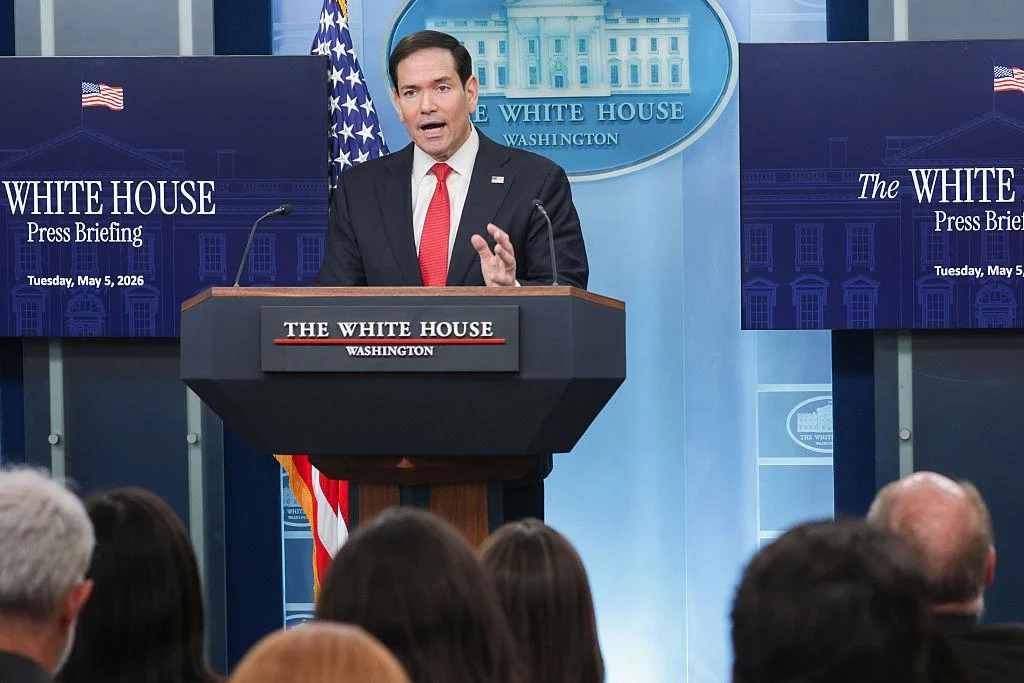
These diplomatic meetings bring together heads of state, foreign ministers, economic advisors, and security experts who are working to find common ground on some of the most pressing issues facing the global community today. The discussions highlight the importance of cooperation among nations to manage challenges such as economic recovery, climate change, energy security, technological development, and regional conflicts.
Importance of Global Diplomatic Meetings
Diplomatic summits and international meetings play a crucial role in shaping global policy and cooperation. In an interconnected world, decisions made by major economies and influential nations can have a significant impact on global trade, security, and development.
During these meetings, leaders exchange ideas, negotiate agreements, and explore opportunities for collaboration. The aim is to ensure that countries work together to maintain global stability and economic growth.
Such gatherings also allow governments to address disputes through dialogue rather than confrontation. Diplomacy remains one of the most effective tools for resolving conflicts and building long-term partnerships between nations.
Focus on Economic Cooperation
One of the main topics being discussed in the ongoing meetings is economic cooperation. The global economy has faced several challenges in recent years, including supply chain disruptions, inflation, and the economic impact of geopolitical conflicts.
Leaders are exploring ways to strengthen international trade, encourage investment, and support economic recovery in both developed and developing countries. Discussions are focusing on improving global supply chains, promoting sustainable economic growth, and ensuring fair trade practices.
Economic cooperation is particularly important for countries that depend on global markets for exports, imports, and technological innovation. By working together, nations can create stronger economic systems that benefit businesses, workers, and consumers.
Addressing Global Security Challenges
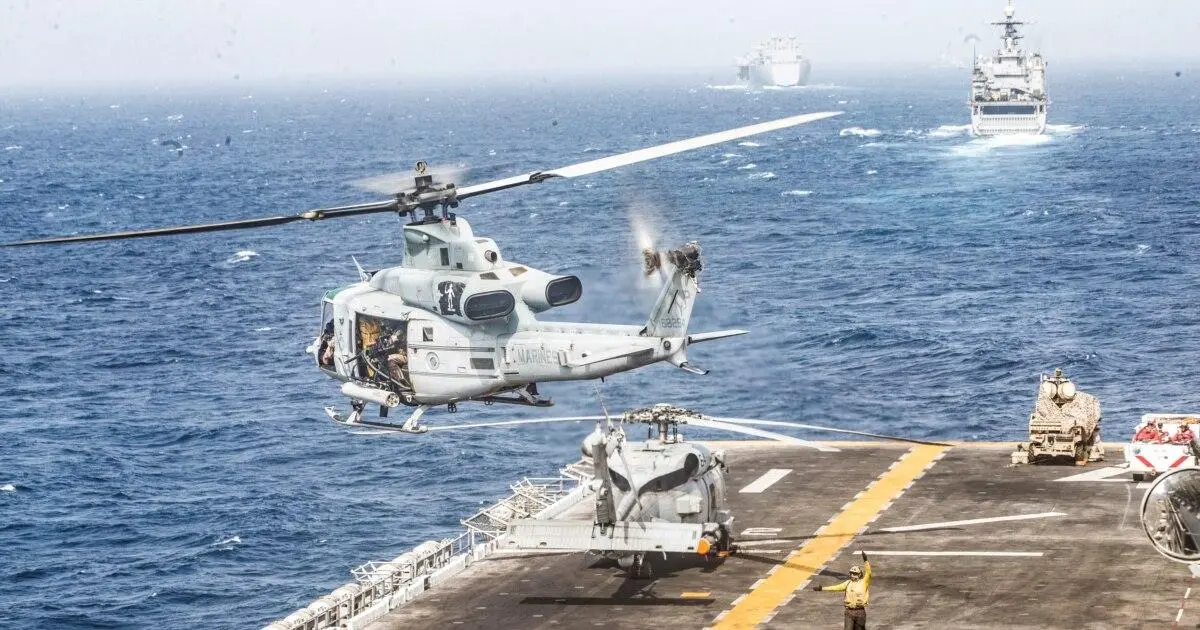
Security issues are also a central part of the diplomatic discussions. Rising geopolitical tensions, regional conflicts, cyber threats, and terrorism have created complex security challenges for governments around the world.
Leaders are discussing strategies to strengthen international security cooperation and improve intelligence sharing between countries. These measures are intended to help prevent conflicts, combat terrorism, and maintain peace in sensitive regions.
Another major concern is cyber security. As technology becomes more advanced and interconnected, protecting digital infrastructure from cyber attacks has become a priority for governments and organizations worldwide.
Energy Security and Climate Cooperation
Energy security has emerged as another important topic during the diplomatic meetings. Many countries are facing challenges related to energy supply, rising fuel prices, and the transition toward renewable energy sources.
Global leaders are discussing ways to ensure stable energy supplies while also accelerating efforts to address climate change. Renewable energy investments, clean technology development, and international climate agreements are key areas of focus.
The transition toward sustainable energy systems is seen as essential for both environmental protection and long-term economic stability.
Strengthening International Partnerships
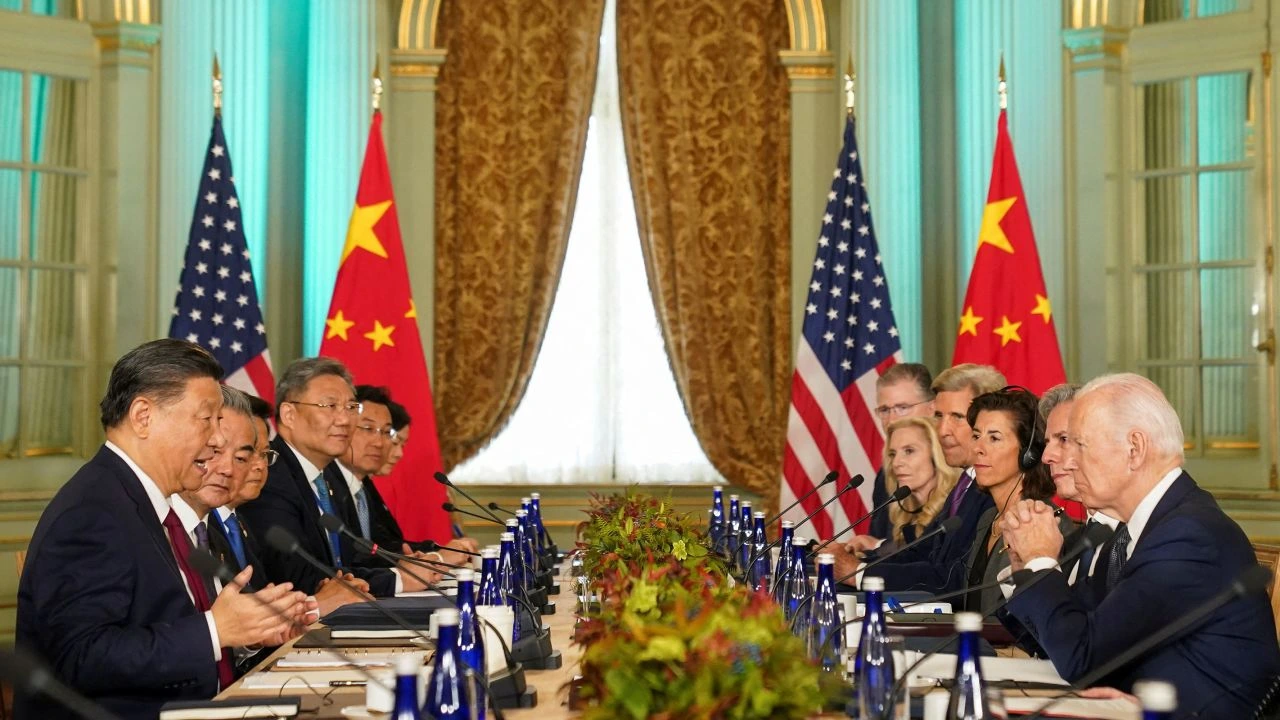
Diplomatic meetings also provide opportunities for countries to strengthen their bilateral and multilateral partnerships. Governments often sign agreements related to trade, technology cooperation, defense collaboration, and cultural exchange.
Such partnerships can enhance economic opportunities and improve diplomatic relations between nations. In many cases, these agreements lead to long-term cooperation in areas such as infrastructure development, education, and scientific research.
For developing countries, international partnerships are particularly important for attracting investment and gaining access to advanced technologies.
Role of International Organizations
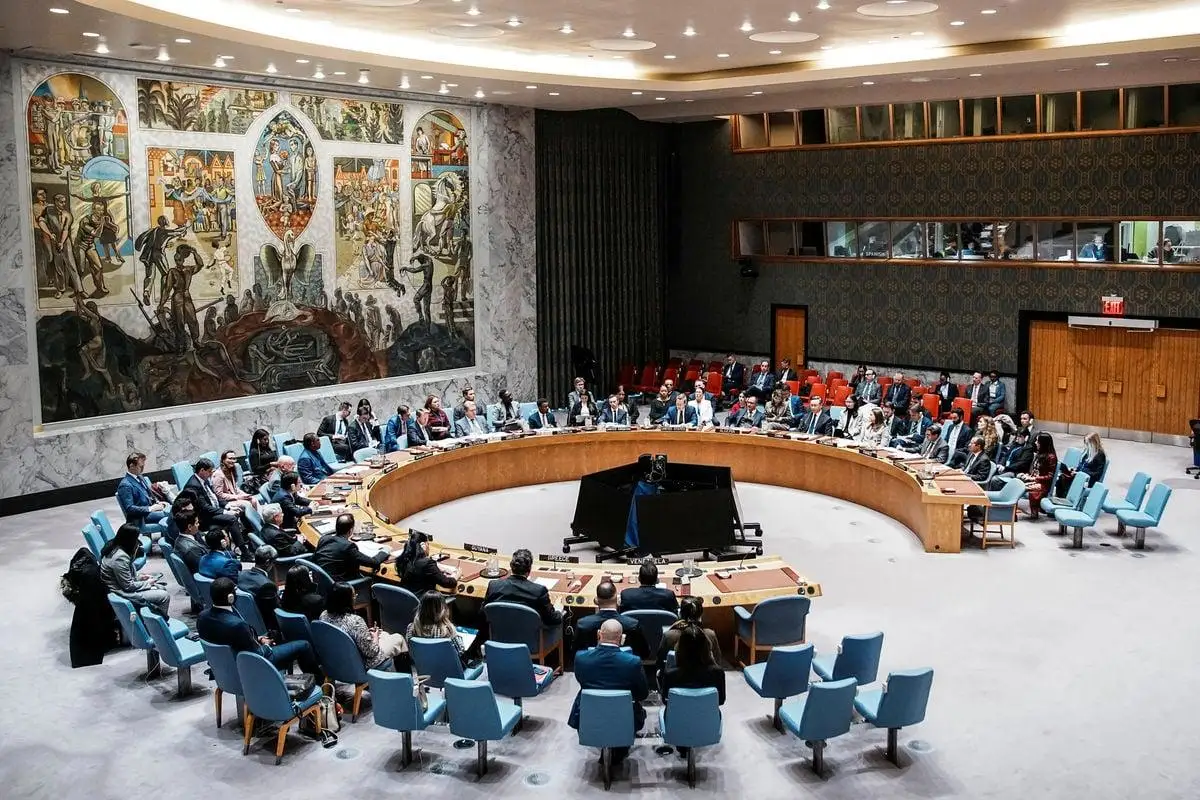
International organizations play a significant role in facilitating global dialogue and cooperation. Institutions such as the United Nations, World Trade Organization, and international financial organizations help coordinate efforts to address global challenges.
These organizations provide platforms where countries can discuss policies, negotiate agreements, and implement cooperative initiatives. Their work is essential for maintaining international stability and promoting sustainable development.
Through these forums, countries can collaborate on issues such as humanitarian assistance, disaster response, economic development, and peacekeeping operations.
Economic Impact of Diplomatic Cooperation
When nations cooperate economically, the benefits can be substantial. Improved trade relations can lead to increased investment, job creation, and technological innovation.
For example, trade agreements between countries often reduce tariffs and encourage businesses to expand into international markets. This can boost economic growth and create opportunities for companies to access new customers and resources.
Diplomatic cooperation can also help stabilize financial markets and promote investor confidence, which is essential for long-term economic development.
Challenges in Achieving Global Consensus
Despite the importance of diplomatic cooperation, reaching agreements among nations can be challenging. Countries often have different political priorities, economic interests, and strategic goals.
Negotiations can take time, and compromises are often necessary to reach mutually beneficial outcomes. However, continued dialogue and diplomacy remain essential for resolving differences and building trust between nations.
The ability of global leaders to find common ground will play a crucial role in shaping the future of international relations.
Public and Global Interest
The outcome of these diplomatic meetings is being closely watched by governments, businesses, and citizens around the world. Decisions related to trade policies, security alliances, and international cooperation can affect everything from global markets to everyday economic conditions.
Media coverage and expert analysis help inform the public about the progress of negotiations and the potential impact of new agreements.
For many observers, these meetings represent an opportunity for global leaders to demonstrate leadership and commitment to solving shared challenges.
Conclusion
The ongoing diplomatic meetings among global leaders highlight the importance of cooperation in addressing economic and security challenges. By engaging in dialogue and working together, nations can promote stability, strengthen international partnerships, and support sustainable development.
While differences between countries may exist, diplomacy provides a pathway for constructive engagement and problem-solving. As the world continues to face complex challenges, collaboration between nations will remain essential for building a secure, prosperous, and stable global future. 🌍
SOURCE : ABP NEWS