Introduction
28-MAR-2026, 1:15 PM A major political confrontation unfolded in the Parliament of India as opposition parties strongly criticized the government over a newly introduced policy. The debate quickly escalated into a heated clash, reflecting deep divisions in the country’s political landscape.
Such confrontations are not uncommon in a democracy, but this particular episode has drawn widespread attention due to the intensity of the exchanges and the significance of the policy in question.
What Triggered the Clash?
The conflict began when the government introduced a new policy aimed at addressing key national issues. While the government described it as a progressive and necessary reform, opposition parties raised serious concerns.
Opposition’s Key Objections:
- Lack of transparency in policy formulation
- Insufficient consultation with stakeholders
- Potential negative impact on certain sections of society
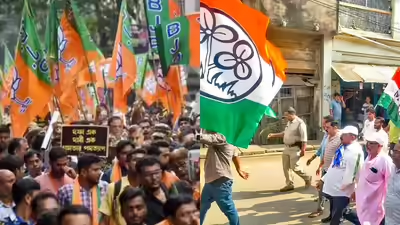
These concerns led to protests and disruptions in the Parliament of India.
Government’s Stand
The government defended the policy, stating that it is designed to:
- Promote economic growth
- Improve governance and efficiency
- Address long-standing challenges
Officials emphasized that reforms are essential for national development and urged the opposition to support constructive debate rather than disruption.
Heated Debate in Parliament
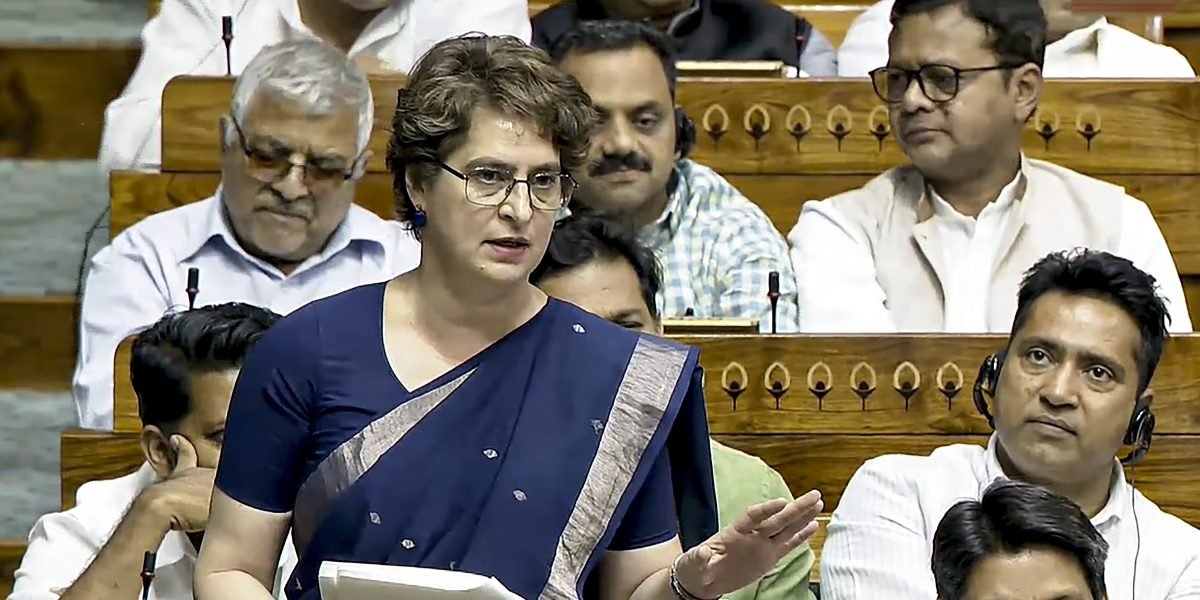
The situation escalated as members from both sides engaged in intense arguments.
Key Developments:
- Repeated interruptions during proceedings
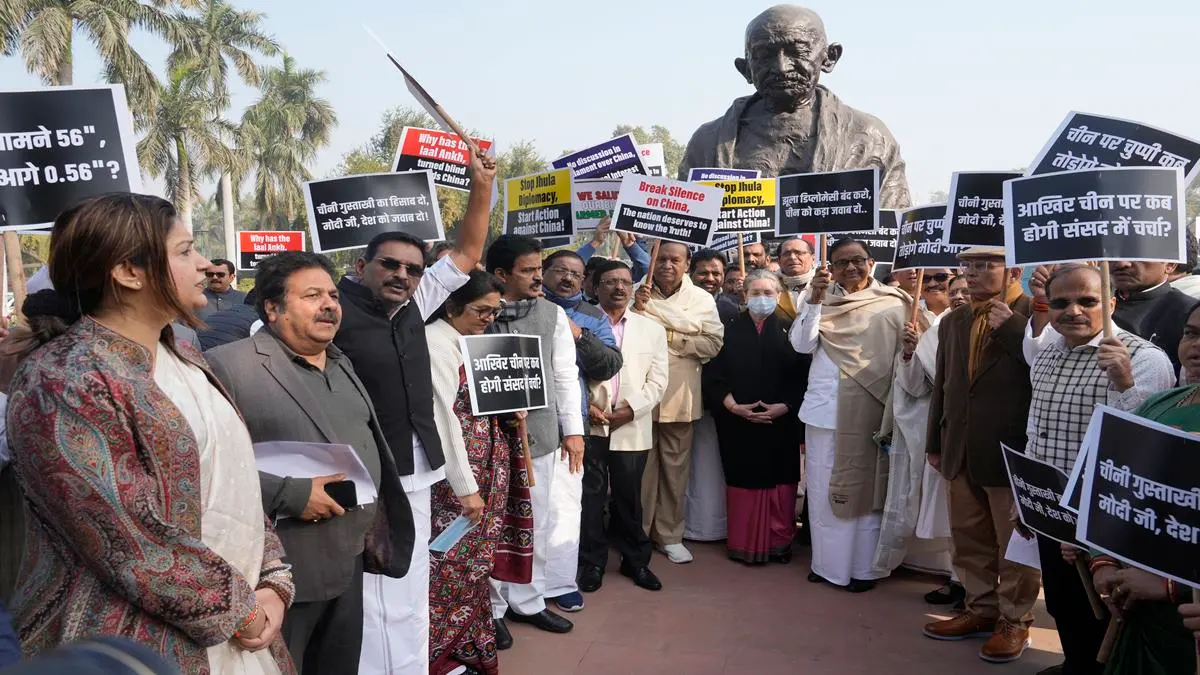
- Sloganeering and protests by opposition members
- Strong counterarguments from ruling party leaders
At times, the disruption was so severe that proceedings had to be adjourned.
Role of Opposition Parties
Opposition parties played a crucial role in bringing attention to the issue.
Their Actions Included:
- Demanding a detailed discussion on the policy
- Calling for amendments or withdrawal
- Organizing protests inside and outside Parliament
They argued that their role is to ensure accountability and represent public concerns.
Public and Media Reaction
The clash quickly became a major talking point across media platforms.
Public Response:
- Mixed opinions on the policy
- Debate over the conduct of political leaders
- Increased interest in parliamentary proceedings
Social media platforms were flooded with discussions, opinions, and analysis.
Impact on Governance
Frequent disruptions in the Parliament of India can affect governance.
Possible Consequences:
- Delay in passing important bills
- Reduced productivity of Parliament
- Impact on policy implementation
This raises concerns about the effectiveness of legislative processes.
Importance of Parliamentary Debate
Despite the clashes, debates in Parliament are essential for democracy.
Why They Matter:
- Ensure accountability of the government
- Provide a platform for diverse opinions
- Improve policy through discussion and critique
Constructive debate can lead to better decision-making.
Balancing Debate and Disruption
While disagreement is a natural part of democracy, excessive disruption can hinder progress.
Need for Balance:
- Respectful dialogue between parties
- Focus on issues rather than personal attacks
- Efficient use of parliamentary time
Finding this balance is crucial for effective governance.
Historical Context
India’s parliamentary history has seen many such clashes.
These moments reflect:
- Strong democratic traditions
- Active political participation
- Diverse viewpoints within the system
However, they also highlight the need for improved parliamentary conduct.
What Happens Next?
The future of the policy depends on:
- Further discussions in Parliament
- Possible amendments
- Public opinion and political pressure
Both the government and opposition are likely to continue their efforts to influence the outcome.
Conclusion
The recent clash in the Parliament of India over the new policy highlights the dynamic nature of Indian democracy.
While disagreements and debates are essential, the focus should remain on constructive dialogue and effective governance. As the situation evolves, it will be important for all stakeholders to work towards solutions that benefit the nation as a whole.
SOURCE : ABP NEWS