
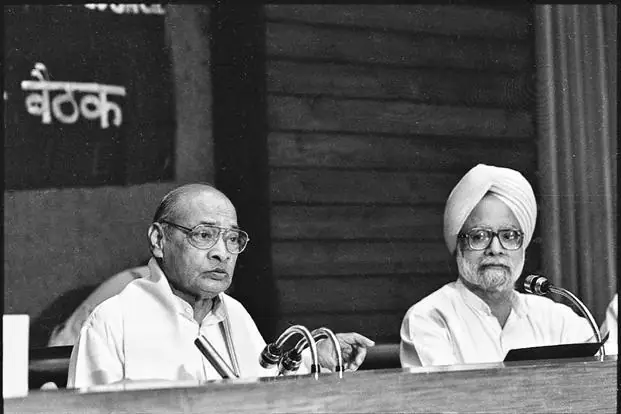
2026/03/16, Parliament’s Budget Session entered an important phase on March 16, 2026, as lawmakers continued discussions on government spending, budget priorities, and economic policy.
The second half of the Budget Session resumed on March 9 after a recess, with several important legislative and financial measures coming up for consideration. Among the key business was discussion of the Demands for Grants of selected ministries and departments, which continued from March 16 to March 18.
The discussions formed part of the broader parliamentary process for examining the Union Budget 2026-27 and deciding how public funds would be allocated across different sectors.
Parliament Examines Government Spending
The discussion on demands for grants allows MPs to examine the government’s proposed expenditure for individual ministries and departments.
During this process, members can raise questions about spending priorities, government programmes and the allocation of funds.
The discussions are important because they allow Parliament to examine how the government’s budget proposals translate into actual expenditure.
According to the government’s later summary of the session, selected ministries and departments were discussed between March 16 and March 18 before the relevant Demands for Grants were passed.
Budget Session Resumes After Recess
The 2026 Budget Session began on February 1 and went into recess on February 14.
Parliament resumed on March 9 for the second part of the session.
PRS Legislative Research reported that several bills had been introduced after Parliament resumed, including the Transgender Persons (Protection of Rights) Amendment Bill, 2026; the Corporate Laws (Amendment) Bill, 2026; the Central Armed Police Forces Bill, 2026; the Jan Vishwas Bill, 2026; and the Foreign Contribution (Regulation) Bill, 2026.
The resumption therefore brought both financial and legislative business back to the centre of parliamentary activity.
Appropriation Bill Moves Through Parliament
The Appropriation Bill, 2026, was another important part of the financial business.
Parliament’s records show that the Bill was introduced in the Lok Sabha on March 13 and subsequently passed by the House before receiving assent later in the month.
Appropriation legislation is required to authorize the government to withdraw money from the Consolidated Fund of India for approved expenditure.
Its passage is therefore an important step in implementing the government’s spending proposals.
Economic Policy Remains a Major Focus
The parliamentary discussions also came against the backdrop of wider economic reforms being considered by the government.
Several bills introduced during the second half of the budget session were linked to business regulation, labor, foreign contributions, and regulatory compliance.
The Corporate Laws (Amendment) Bill, 2026, for example, was referred to a Joint Parliamentary Committee for further examination.
The Jan Vishwas (Amendment of Provisions) Bill, 2026, also formed part of the government’s reform agenda.
The Bill proposed changes to a wide range of provisions with the objective of reducing criminal penalties for certain minor violations.
Finance Bill 2026
The Finance Bill was another major piece of legislation linked to the Union Budget.
The Bill is used to give effect to various taxation proposals announced in the Budget.
According to the government’s later account of the Budget Session, the Finance Bill, 2026, was passed by Parliament on March 25.
At the March 16 stage, however, the wider budget and expenditure process was still underway.
This distinction is important because parliamentary discussions and proposed measures should not be reported as completed legislation before the relevant stages have taken place.
What Parliamentary Discussions Mean for the Economy
Budget discussions have a direct connection with economic policy because government spending affects infrastructure, welfare programs, agriculture, defence, education, and other sectors.
MPs can question allocations and raise concerns about whether funds are sufficient for specific programs.
The process also allows opposition parties to challenge government priorities and present alternative views on public spending.
This makes the budget session an important forum for economic debate.
Reforms and Business Regulation
Economic reforms were another part of the legislative agenda during the session.
The government introduced measures dealing with corporate regulation and other areas of economic administration.
The Corporate Laws (Amendment) Bill was referred to a Joint Parliamentary Committee, allowing lawmakers additional time to examine its provisions.
The Jan Vishwas Bill also reflected the government’s broader approach of reviewing regulatory provisions and reducing criminal consequences for certain minor violations.
Together, these measures showed that the session involved both financial legislation and longer-term regulatory reforms.
Role of the Opposition
Parliamentary discussions also provide opposition parties with an opportunity to scrutinise government policies.
Members can raise concerns about spending, implementation of government schemes, taxation, and economic priorities.
Such debates are part of the legislative process and can result in questions, amendments, or demands for greater accountability.
The final legislation may therefore differ from the original proposals after parliamentary examination.
What Happens Next
The budget process continued through the remainder of March.
After the Demands for Grants were discussed and passed, the Appropriation Bill and Finance Bill moved through their respective parliamentary stages.
The government later reported that the Lok Sabha’s productivity during the Budget Session was approximately 93%, while the Rajya Sabha’s productivity was approximately 110%.
The session eventually saw several major government bills introduced and passed by both Houses.
Why March 16 Was Important
March 16 marked the beginning of a particularly important stretch of the Budget Session.
The focus was not simply on political debate but on the practical process of examining government expenditure and legislation.
The discussion of demands for grants allowed Parliament to scrutinise spending proposals, while other bills addressed areas including corporate regulation, criminal-law provisions, and foreign contributions.
These decisions can have longer-term effects on businesses, government programs, and the wider economy.
Conclusion
Parliament’s Budget Session entered a significant phase on March 16, 2026, as lawmakers began discussions on the demands for grants of selected ministries and departments.
The discussions continued through March 18 and formed part of the wider process of examining the Union Budget 2026-27.
At the same time, Parliament was considering several legislative reforms, including the Corporate Laws (Amendment) Bill and Jan Vishwas (Amendment of Provisions) Bill.
The Appropriation Bill, which authorizes government spending from the Consolidated Fund, was also an important part of the financial legislative process.
The developments showed that the second half of the budget session was focused on both public expenditure and economic regulation.
As Parliament continued its work, the outcome of these discussions and Bills was expected to shape government spending and policy implementation during the financial year.
Sources: Parliament of India, Press Information Bureau, and PRS Legislative Research.

One thought on “Parliament Budget Session 2026: Demands for Grants and Economic Reforms Take Centre Stage”